Social media best practices for nonprofits can ensure that organizations effectively navigate the advantages and obstacles that characterize the online space. Small nonprofits are frequently run by small teams and volunteers as well as limited funding and resources. Likewise, social media can sometimes be a lost cause when organic reach declines in favor of ad spending.
Social Media Best Practices for Nonprofits
Display to your audience who and why your nonprofit was created and introduce your volunteers to the public.
Share the tales of the individuals and groups your nonprofits have been able to impact through various efforts.
Tips and Best Practices for Using Social Media
By discovering how to implement a successful social media strategy for your nonprofit, you can ensure every effort counts and effectively spread your message. Here are some time-saving strategies to consider.
1. Create Nonprofit Accounts.
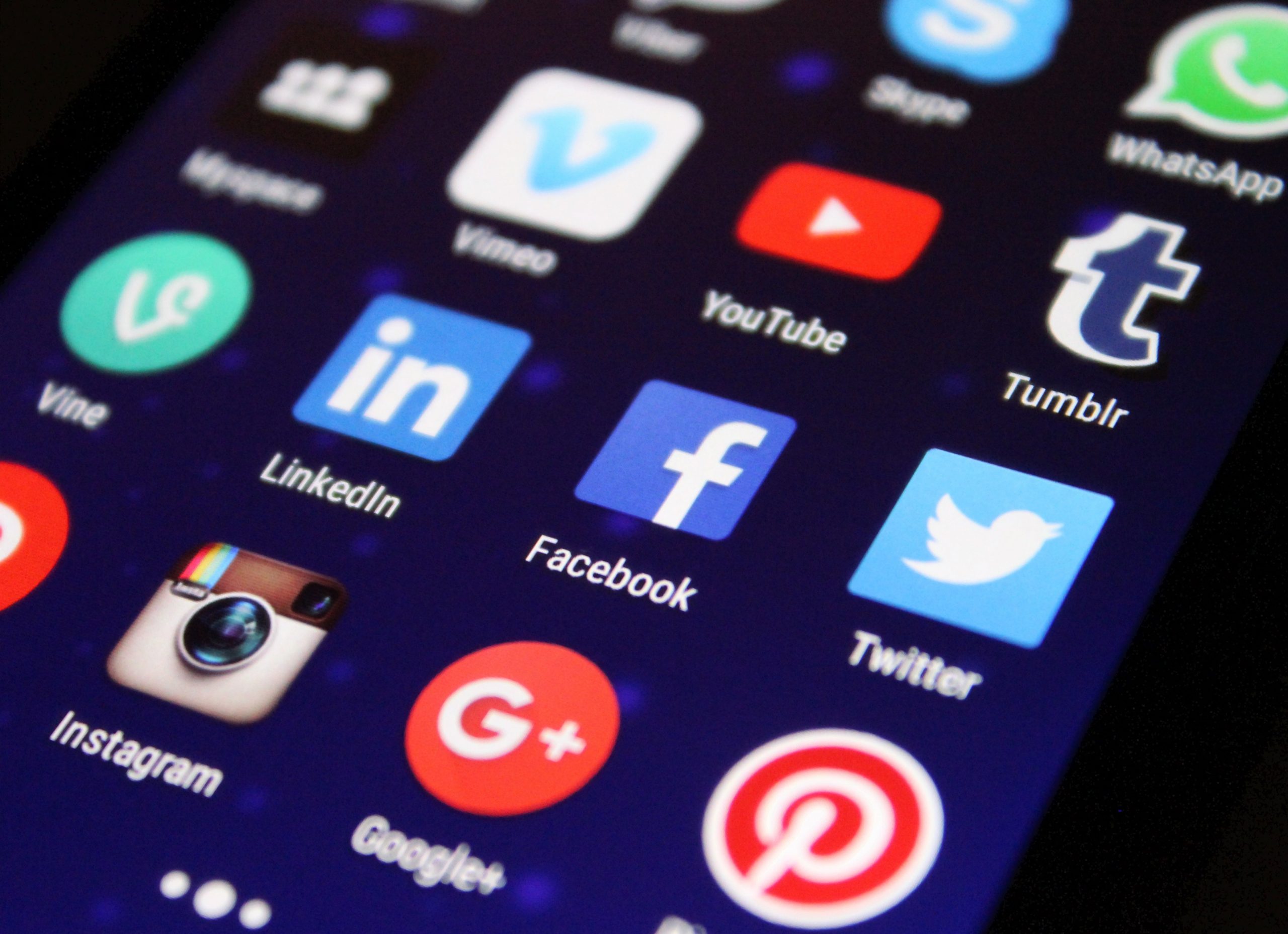
The majority of social media sites such as Facebook and Instagram have tools and resources just for nonprofits. As a result, nonprofits can organize fundraisers from their accounts and include “donate” buttons on these platforms. Also, YouTube provides Link Anywhere cards, production resources, specialized technical assistance, and fundraising opportunities. All these advantages can be accessed for free as long as your nonprofit is registered.
2. Provide a Donation Button.
Secondly, ensure your donation buttons on Facebook and Instagram are visible if your nonprofit takes donations as both platforms provide tools for fundraising. You never know when someone might come across your nonprofit on social media and choose to donate.
Also, add links to your social network profiles on your website, newsletter, and email signatures. The goal is to make it easy for users to connect while assuring them that they are following legitimate accounts.
3. Create Social Media Policies and Guidelines
Lean teams are frequently used to manage nonprofits. Likewise, these organizations receive support from a network of volunteers from all backgrounds and skill levels. Nonprofit social media policies give administrators the ability to set boundaries while retaining flexibility.
It is simpler to enroll new volunteers and provide consistency when there are clear procedures in place, regardless of who manages the accounts. Also, it is important to create social media guidelines in addition to social media policies. They can be handled as different documents or combined. Most importantly, teams should be given the information they need to succeed through guidelines. This will also keep your nonprofit’s limited resources from being overstretched.
4. Make a Content Calendar
Using a content schedule will help your nonprofit team stay on the same page. Planning prevents teams with limited resources from being overworked or forced to scramble to pull things together at the last minute.
Also, it pays to be prepared for significant occasions that will advance your cause. For instance, a nonprofit that supports women will probably want to prepare content for Mother’s Day, Gender Equality Week, and International Women’s Day. Likewise, traditional holidays and significant anniversaries should be prioritized.
5. Talk About the People in Your Story
Humans bond with one another. That’s all there is to it. Statistics show time and time again that social media posts with images of people typically get more likes and comments. According to a Twitter study, videos with humans in the initial few frames have a 2X greater retention rate. Also, in a second study by the Georgia University of Technology and Yahoo Labs, pictures with people in them had a 38% higher chance of getting likes and a 32% higher chance of getting comments.
People are becoming more curious about the individuals behind brands and logos these days. That applies to organizations as well. Display to your audience who and why your nonprofit was created and introduce your volunteers to the public. Share the tales of the individuals and groups your nonprofits have been able to impact through various efforts.
Conclusion
Fortunately, there are many tools and services accessible on social media for organizations. Most platforms, such as Facebook, Instagram, and YouTube, provide assistance and exclusive features for nonprofits. Nevertheless, there is a need to know the social media best practices for nonprofits and how to use them.
Do let us know if you enjoyed reading this article by leaving comments and/or suggestions for us at the bottom of this post.
5 responses to “Top Social Media Best Practices for Nonprofits”
[…] to handle their social media presence more efficiently than they currently do. By utilizing social media more actively than other media platforms, nonprofit organizations can foster awareness and […]
[…] rates? Experiment with your subject lines to capture more attention. Do you have exceptionally high social media impressions but minimal shares, likes, and comments? Your content might be reaching plenty of […]
[…] have limited resources, digital marketing can be very advantageous. Digital marketing channels like social media, email marketing, and search engine optimisation can typically yield higher returns on investment. […]
[…] message can be multiplied by the voice of the volunteers who post their experiences on social media. You can encourage them to upload photos, stories, and updates with your organisational hashtags […]
In the current nonprofit environment, organizations are increasingly relying on technology to enhance donor interaction, ensure compliance, and streamline operations. The Pactman Nonprofit CheckPlus API […]
TABLE OF CONTENTS Introduction Overview of Nonprofit Grant Options Critical Statistics on Nonprofit Grants in the U.S. Nonprofit Grants in Washington Nonprofit Grants in Alabama […]
TABLE OF CONTENTS Introduction Nonprofit Funding Gaps in Africa Critical Statistics on Nonprofit Grants Local vs International Nonprofit Grants in Africa: A Comparative Analysis Overview […]
Most organisations prefer Asana as their management tool. It is especially useful for planning a client’s work, such as developing and updating a content calendar […]
As a climate change leader, Virginia establishes its position by implementing forward-thinking policy measures through renewable power investments and nature protection initiatives. The government of […]







5 responses to “Top Social Media Best Practices for Nonprofits”
[…] to handle their social media presence more efficiently than they currently do. By utilizing social media more actively than other media platforms, nonprofit organizations can foster awareness and […]
[…] rates? Experiment with your subject lines to capture more attention. Do you have exceptionally high social media impressions but minimal shares, likes, and comments? Your content might be reaching plenty of […]
[…] have limited resources, digital marketing can be very advantageous. Digital marketing channels like social media, email marketing, and search engine optimisation can typically yield higher returns on investment. […]
[…] keeping the content on your social media accounts up to date can be challenging. Not to mention, it can be challenging to come up with a […]
[…] message can be multiplied by the voice of the volunteers who post their experiences on social media. You can encourage them to upload photos, stories, and updates with your organisational hashtags […]