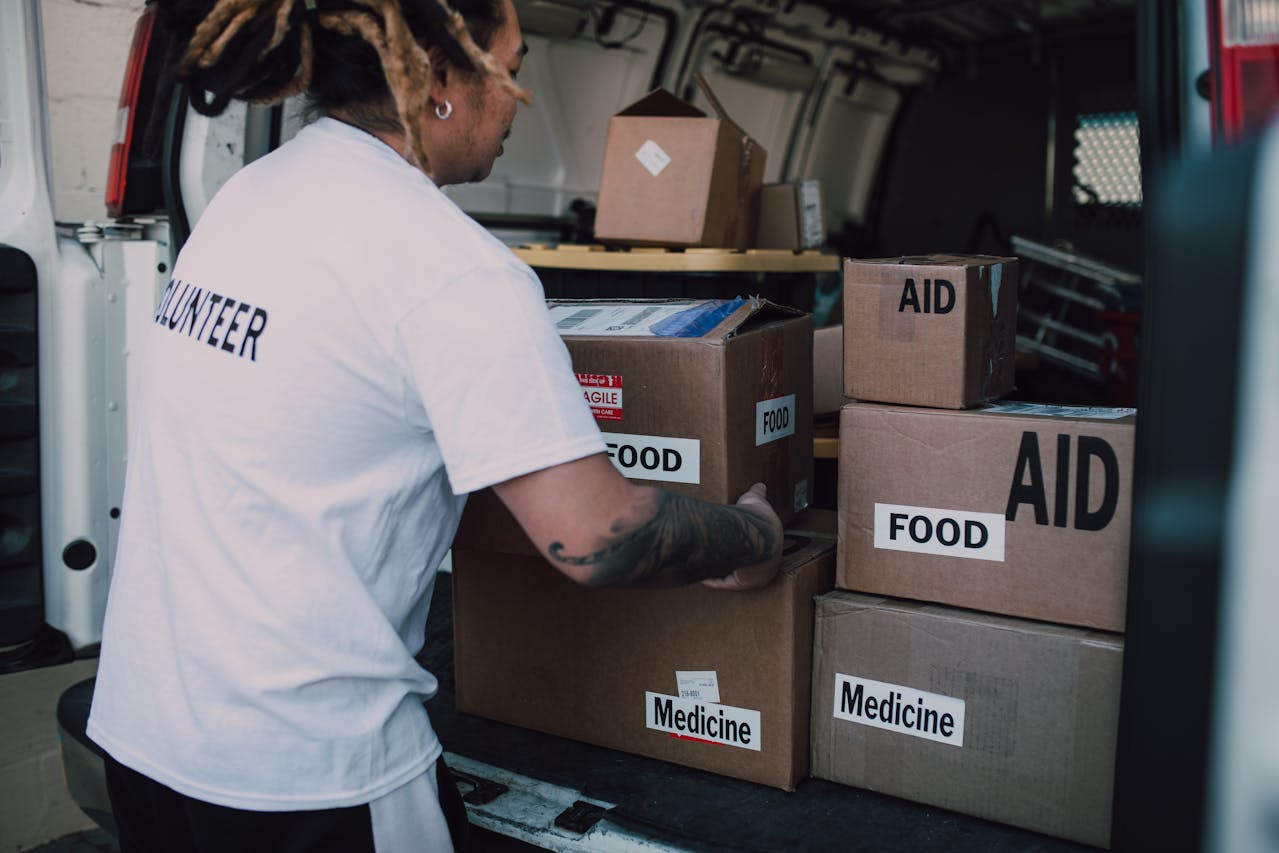
Although a natural disaster may make headlines for a few days or weeks, recovery usually takes years. However, disaster relief nonprofits are known for their continuous support of communities long after the first relief operations.
Disaster Relief
By implementing disaster management procedures, communities can lessen the effects of disasters and enhance their health.
Relief includes providing emergency assistance to lessen suffering and meet survival needs such as food, water, and shelter.
Why are disaster relief efforts important for communities and society?
In this article, we will consider the importance of disaster relief efforts and their impact on society.
1. Restores hope
There’s no denying the importance of hope. Victims of disasters may have a lifetime of diminished hope if they do not receive immediate aid. Also, people may never have as much hope for success as they once did if they survived natural disasters alone.
Hence, when disaster aid is provided promptly, it strengthens communities’ long-term economic and democratic health. In addition, this helps to restore lost assets and revive hope. Relief efforts following a tragedy not only preserve lives but also the possibility of a full economic recovery and hope for the future.
2. Enables prompt response
Natural catastrophes are increasingly occurring more often than ever. The primary goal of disaster relief is life preservation. Consequently, when lives are at stake, every second matters.
By acting swiftly to provide food, water, shelter, and emergency medical assistance, the amount of suffering experienced by people can be curtailed. Also, disaster relief nonprofits provide emergency aid to the people and places that need it most in a swift and effective manner by adopting a strategic approach.
3. Ensures emergency preparedness
Relief is the provision of emergency assistance to lessen suffering and meet survival needs such as food, water, and shelter. By and large, the goal of recovery is to return community services and quality of life to its pre-disaster levels. In addition to saving lives and properties by reducing the effect of a disaster, well-thought-out emergency preparedness and response plans frequently also help to build resilience and facilitate post-disaster recovery.
Early warning systems, communication networks, and preparation initiatives will enable communities, cities, and individuals to take prompt, appropriate action. This in turn can help to minimize harm, casualties, and damage to property and delicate habitats.
4. Improve health
Disaster occurrence results in the death of many. Also, affected individuals and communities are susceptible to health risks. People who experience disasters often come into contact with a variety of ailments that have the potential to harm more people. Likewise, a lack of food, clean water, medical facilities, and basic hygiene makes communicable diseases like malaria far more likely to spread during and after a disaster.
By implementing disaster management procedures, disaster relief nonprofits assist communities in lessening the effects of disasters and enhancing their health.
5. Helps Reshape Communities
The local economy can suffer greatly from disasters. Following a tragedy, communities frequently experience significant financial losses which makes it difficult to recover. Also, the social fabric of a community can be impacted by a disaster as well.
Disaster relief nonprofits assist communities in rebuilding and reestablishing relationships between residents. This can help communities reconstruct their local infrastructure, which will in turn boost the local economy. The outcome can result in the enhancement of both the general state of the economy and the quality of life for citizens.
Conclusion
Now more than ever, we are aware that no individual or society is immune to the effects of severe calamities. This includes wildfires and tsunamis, worldwide pandemics, and civil unrest. However, through the aid of disaster relief nonprofits, communities can ensure prompt recovery and long-term sustainability.
If this article resonates with you, we welcome your thoughts, suggestions, and questions at the bottom of this post.
In the current nonprofit environment, organizations are increasingly relying on technology to enhance donor interaction, ensure compliance, and streamline operations. The Pactman Nonprofit CheckPlus API […]
TABLE OF CONTENTS Introduction Overview of Nonprofit Grant Options Critical Statistics on Nonprofit Grants in the U.S. Nonprofit Grants in Washington Nonprofit Grants in Alabama […]
TABLE OF CONTENTS Introduction Nonprofit Funding Gaps in Africa Critical Statistics on Nonprofit Grants Local vs International Nonprofit Grants in Africa: A Comparative Analysis Overview […]
Most organisations prefer Asana as their management tool. It is especially useful for planning a client’s work, such as developing and updating a content calendar […]
As a climate change leader, Virginia establishes its position by implementing forward-thinking policy measures through renewable power investments and nature protection initiatives. The government of […]