Mobile Devices: How Texas Nonprofits are Bridging the Digital Divide
Jon Tyrell
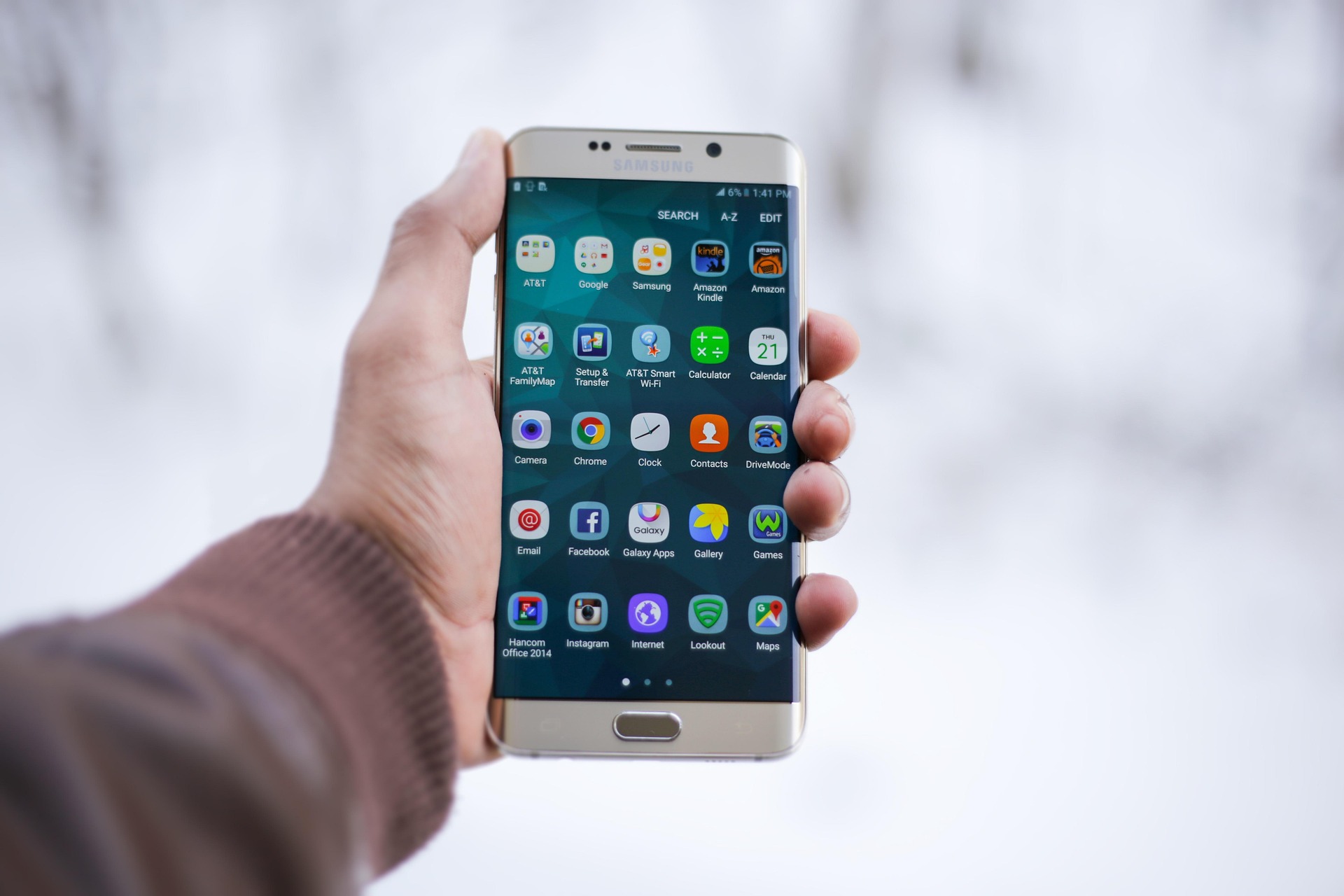
In Texas, nonprofits are using active mobile devices to bridge the digital divide, and smartphones and tablets are usually the most convenient gateway to digital equity with vulnerable populations. It is based on this reality that numerous Texas-based nonprofits have sought the use of mobile technology solutions as a viable and replicable means of enhancing digital inclusion.
Mobile Devices
Nonprofits that advocate for healthcare mobilise resources that integrate mobile technologies to make telehealth accessible.
Texas nonprofits, such as Technology For All, provide impoverished communities with access to smartphones and tablets.
The Use of Mobile Devices to Help Texas Nonprofits Bridge the Digital Divide
These programs are reshaping low-income households’ access, the rural population, and disadvantaged groups.
1. Mobile Device Distribution Programs
In Texas, nonprofits like Comp-U-Dopt and Technology For All have taken initiatives to provide smartphones and tablets to underserved communities. Such programs usually prioritise students, seniors, and people living in the countryside. They do this by providing units of computers and tablets with already installed learning applications and materials. Hence, users acquire instant access to their digital platform without having to encounter the challenge of purchasing costly hardware.
2. Expanding Access to Education
In low-income regions, numerous learners did not have access to computers and the internet during the COVID-19 pandemic. The Texas nonprofits responded by providing mobile hotspots and tablets to needy families. Programs such as EveryoneOn and United Way collaborated with school districts for students to attend distance learning classes and have access to homework websites via smartphones and tablets.
3. Telehealth and Health Education
Healthcare advocacy nonprofits like Texas Health Institute and El Buen Samaritano mobilise the tools that target the needs of marginalised communities, incorporating mobile technologies to provide access to telehealth. Hence, patients can make appointments, get test results, and handle chronic illnesses via mobile applications and SMS reminders, thus filling a major gap in health equity.
4. Digital Literacy Training via Mobile
Lending a gadget is only a sum of the total. There are several nonprofits in Texas offering mobile-friendly digital literacy training to the senior public and non-English speakers. Introducing the use of basic internet and app navigation, usage and precautions is taught in different languages via apps and text-based programs in a way accessible to a person new to technology.
5. Job Access and Economic Empowerment
In case of the reduction of unemployment among underprivileged groups, Goodwill Central Texas designs and employs mobile apps to provide access to job openings, professional programs, and resume creation. Such tools enable individuals to upskill, search, and apply for jobs with their phones.
Conclusion
Mobile devices can serve as strong equalisers in the war on digital exclusion. By leveraging both hardware access and support, they enable the community to learn, work, and thrive connected. Without a doubt, mobile technology is emerging as a major stepping-stone over the digital divide in Texas.
If you like this post and you have something to say, feel free to leave a comment below.
In the current nonprofit environment, organizations are increasingly relying on technology to enhance donor interaction, ensure compliance, and streamline operations. The Pactman Nonprofit CheckPlus API […]
TABLE OF CONTENTS Introduction Overview of Nonprofit Grant Options Critical Statistics on Nonprofit Grants in the U.S. Nonprofit Grants in Washington Nonprofit Grants in Alabama […]
TABLE OF CONTENTS Introduction Nonprofit Funding Gaps in Africa Critical Statistics on Nonprofit Grants Local vs International Nonprofit Grants in Africa: A Comparative Analysis Overview […]
I Introduction Form 990 is eventually required of all nonprofit leaders. It appears once a year, seems bureaucratic, but quietly accomplishes a crucial task: it […]
The Muslim charity organisations generally assist needy Rwandans and create unity among Muslim fellows. Rwanda has a small but growing Muslim population in a country […]
Muslim charity organisations in Mauritius are active and help in various areas, such as helping poor people, providing education, providing health care, and supporting disaster-affected […]