Mobile Device Donations: Impact on Underserved Communities in Texas
Jon Tyrell
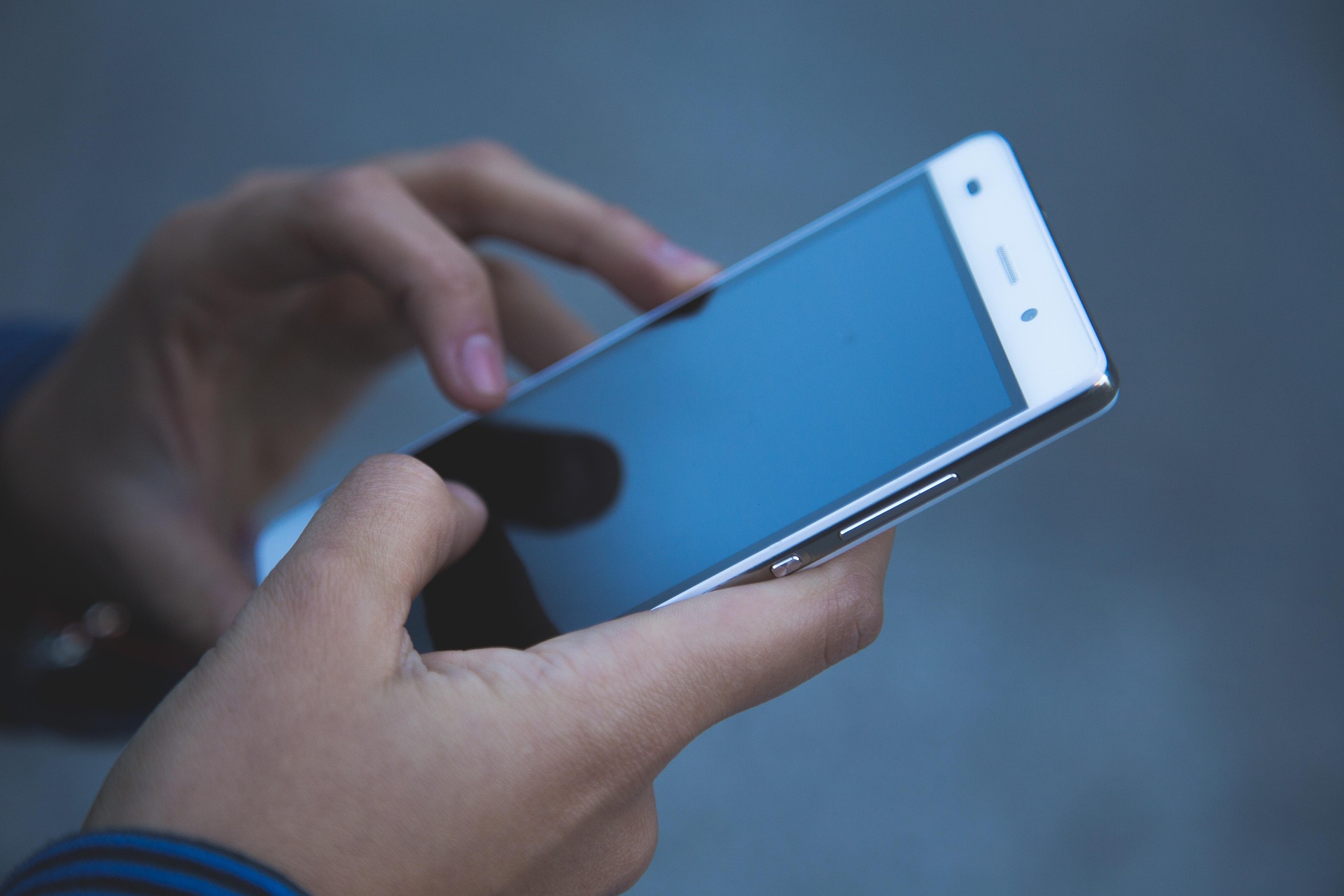
Having a mobile device, such as handsets and tablets, can increase access to opportunities across the less privileged communities in Texas. In places where local amenities cannot meet needs, these tools offer great access to education, information, banking, and economic involvement. What was previously viewed as a personal gadget now serves as a tool for community support. Nonprofit-led donation initiatives make mobile devices available to the less privileged and have become the new leveller.
Mobile Device
Donated smartphones offer connection in less privileged Texas communities.
Education, banking, information, and healthcare, e.t.c. improve with mobile resources.
A New Digital Bridge for the Disconnected
Access to the Internet is not a luxury; it is a necessity. Essentially, it provides the desired link to services long beyond reach. Here are effective ways these devices are transforming communities:
1. Access to Education for All Ages
Students in rural or remote locations frequently lack either laptops or adequate bandwidth or both at home. Digital access gaps shrink when donated phones come equipped with educational tools and school portals. TexLearn Forward distributes repaired devices and offers technological support to ensure families can easily access online learning tools, regardless of their economic background.
2. Mobile Banking and Financial Empowerment
For many Texans in underprivileged areas, financial services are beyond reach. But mobile devices allow users to use mobile banking apps, budgeting tools, and secure online wallets. BudgetBoost TX partners with local financial unions to install financial literacy apps on donated phones, enabling users to take control of their money and build lasting stability.
3. Health Monitoring and Appointment Access
Health outcomes in underserved communities often suffer due to many reasons, including transportation barriers. Through mobile health apps, patients can get telehealth appointments and receive prescription messages. Donated devices, coupled with mobile healthcare apps, help close the gap between health workers and patients, more importantly, in areas where clinics are few.
4. Critical Disaster Zone Communication
A very crucial method to save lives in areas that are typically prone to the occurrence of a natural disaster is through efficient warning systems and two-way communications. Donated smartphones help families stay informed, provide aid, and access emergency services immediately. Crisis Text Line couples SMS disaster alerts and safety check-ins on all donated phones to increase adaptive strength in susceptible communities.
5. Civic Engagement and Social Voice
Visibility and audibility are key to empowerment. Mobile devices have enabled communities to participate in local governance, register for voting, and access online town meetings. By simply having a mobile device, residents become part of community conversations and governance from which they were earlier excluded. This ensures representation and improves outcomes.
Conclusion
Donation of mobile devices is about giving people the tools to get involved, be educated, earn, and advocate for themselves. For Texas nonprofits, it is the most effective way to digital inclusion and social equality. Mobile devices are vital infrastructure, and transformation can happen one device at a time.
If you enjoyed reading this article, please share your comments and suggestions with us at the bottom of this post.
In the current nonprofit environment, organizations are increasingly relying on technology to enhance donor interaction, ensure compliance, and streamline operations. The Pactman Nonprofit CheckPlus API […]
TABLE OF CONTENTS Introduction Overview of Nonprofit Grant Options Critical Statistics on Nonprofit Grants in the U.S. Nonprofit Grants in Washington Nonprofit Grants in Alabama […]
TABLE OF CONTENTS Introduction Nonprofit Funding Gaps in Africa Critical Statistics on Nonprofit Grants Local vs International Nonprofit Grants in Africa: A Comparative Analysis Overview […]
As a climate change leader, Virginia establishes its position by implementing forward-thinking policy measures through renewable power investments and nature protection initiatives. The government of […]
The state of Illinois stands out as a climate change leader through its dedicated green legislation, its allocation of renewable energy financing and its distinctive […]