


Florida is renowned for its enchanting shores and numerous habitats. However, it is also among the top vulnerable states to climate change. Rising sea levels, strong hurricanes, and extreme heat are warnings to the state, hence, the need to take crucial steps to address these challenges.
Sustainable options include renewable energy alternatives, coastal adaptation projects, and sustainability initiatives. As one of the nation’s foremost susceptible states to climate change, Florida’s attempts to combat it are necessary for the people and the general environment.
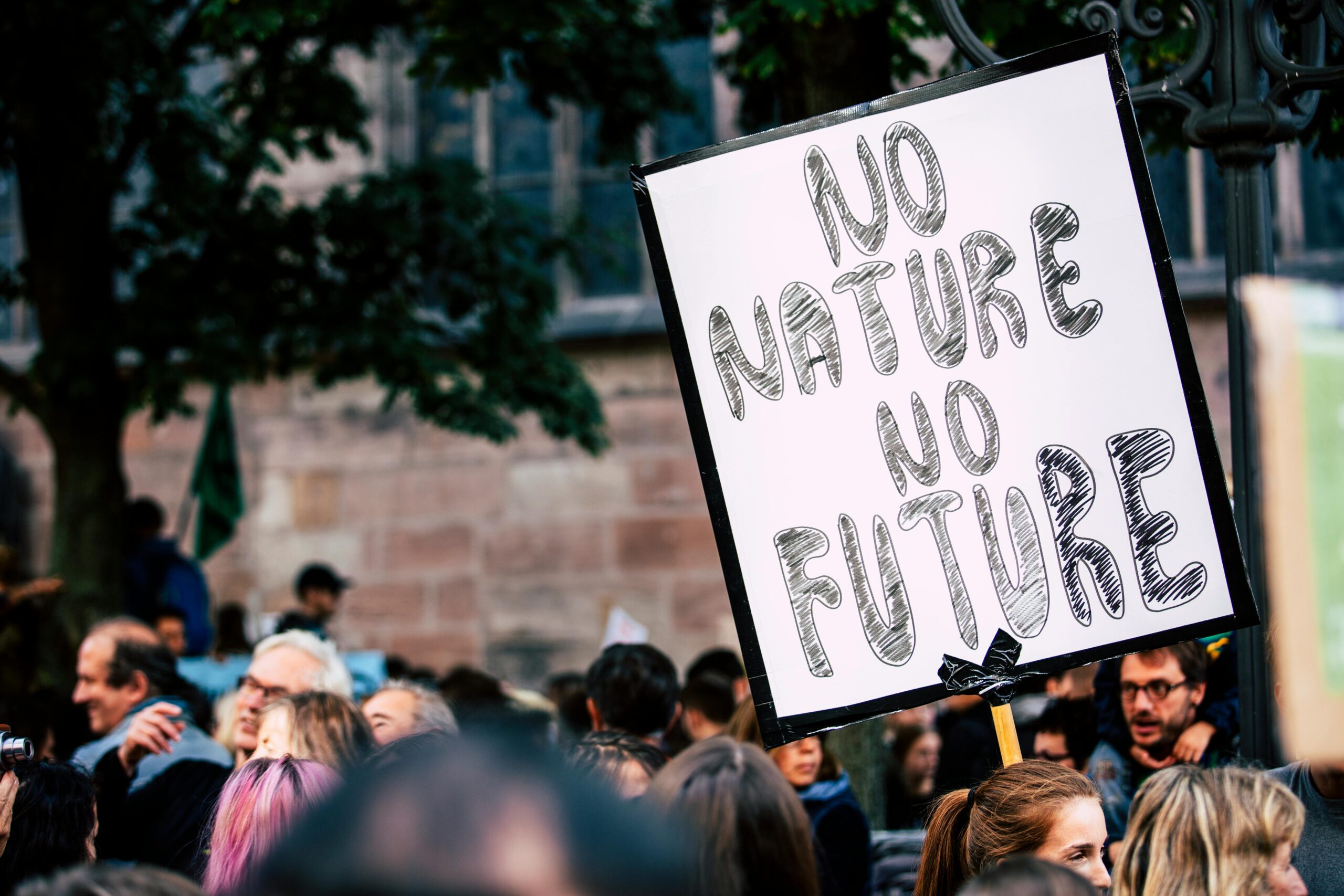
- The transportation sector generates the highest amount of carbon (II) oxide emissions throughout Florida.
- Environmental strategy ideas include conservation programs, wetland initiatives, and energy management.
Climate Change Policies and Projects
Florida has established crucial environmental policies and projects to address clean energy, climate resilience, and conservation. These formidable projects place the state at the forefront of climate action.
1. Increasing Access to Renewable Energy and Solar Power
Florida stands out for its solar energy expansion. The state has notably increased its investment in solar energy; Florida Power & Light, FPL, among others, creating large-scale solar energy projects. Florida’s Solar Rebate initiative serves to attract homeowners and businesses to plant solar panels and to minimise dependence on petroleum to reduce carbon emissions.
2. Strengthening Coastal Resilience
Florida, being a coastal state, has much of its population living near the coast and is always in danger of rising sea levels. Hence, the state has introduced the Resilient Florida Program, which finances projects to guard vulnerable coastal communities from flooding and erosion. Effective constructions, mangrove restoration, and better drainage systems are the major ideas helping to guard Florida’s coastlines from climate change effects.
3. Supporting sustainable transportation systems
The transportation sector generates the highest amount of carbon (II) oxide emissions throughout Florida. Due to this, the state is investing in electric vehicles and EV infrastructure. This also includes increasing charging stations across the state, and giving attractive offers for EV purchases. Also, Miami and Orlando are practically embracing electric buses and promoting bike-friendly initiatives to reduce traffic congestion and pollution.
4. Safeguarding Wetlands and Natural Habitats
The wetlands of Florida help in climate resilience because they absorb carbon and reduce floods. The state has, therefore, pushed forward conservation efforts, restoring water flow in the Everglades and increasing protected areas. Wetland preservation measures help fight climate change as they maintain biodiversity and improve water quality.
5. Increasing Energy Efficiency and Green Building Standards
Lastly, Florida has launched energy efficiency programs for businesses and homeowners to adopt green infrastructural lifestyles. Modern building ideas now require green practices such as improved insulation, smart technology, and eco-friendly materials to reduce energy consumption. These ideas reduce carbon damage and promote sustainability across urban and rural regions.
Conclusion
Florida is making giant strides in its efforts to address climate change, showing that climate-susceptible states can lead the path to sustainability. By investing in renewable energy, coastal adaptability projects, and preservation endeavours, Florida is setting a pace for others. These initiatives help protect the state’s environment and also ensure economic and social growth.
If this article resonates with you, we welcome your thoughts, suggestions, and questions below!