Global Warming and Public Health in Texas: The Connection and a Nonprofit Perspective
Jon Tyrell
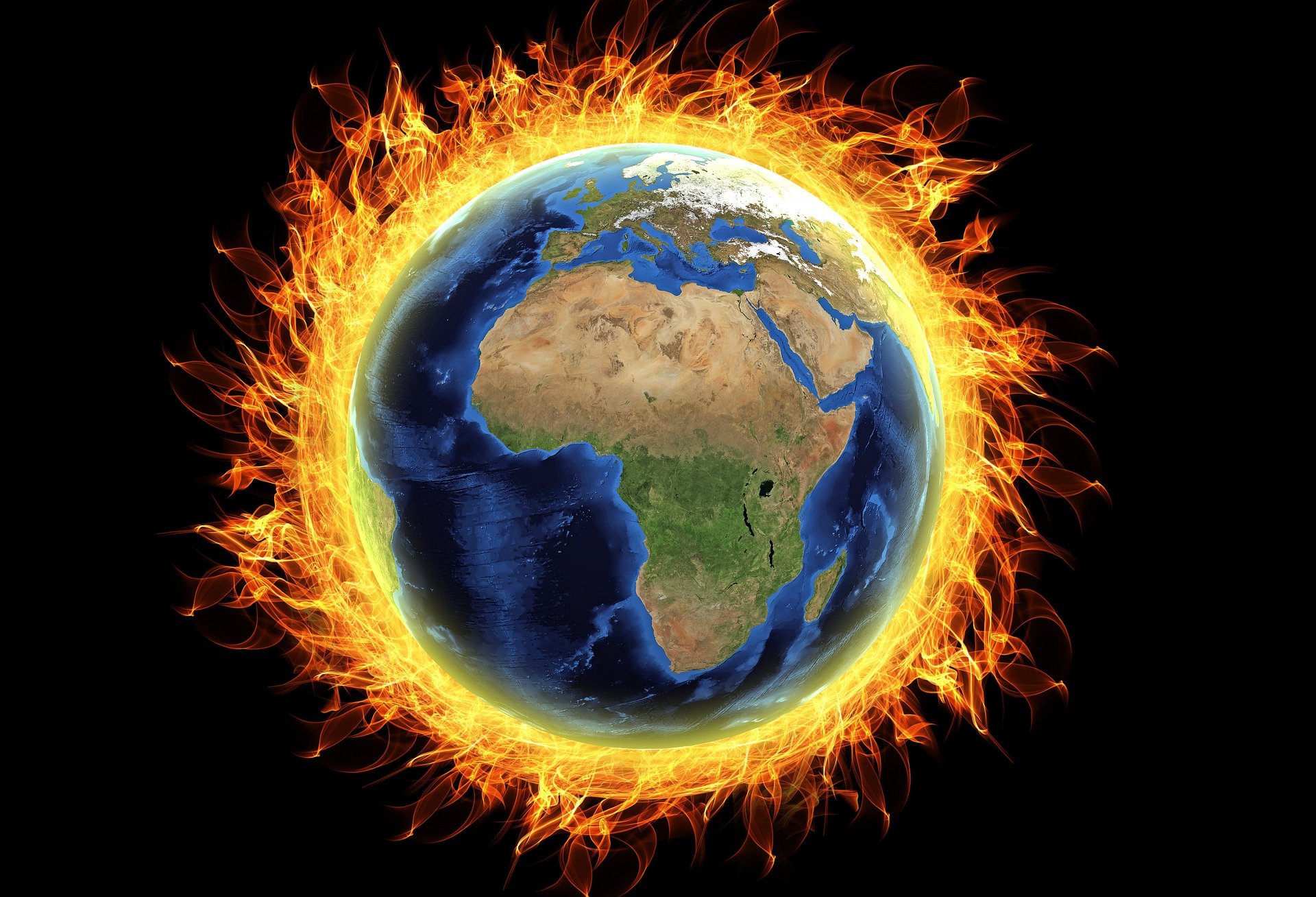
Global warming is not only an environmental emergency, but it is also an increasing health crisis for people, more so in a climate-vulnerable state such as Texas. The health impacts of increasing temperatures, increasing instances of extreme weather, and poor air quality are significant. The nonprofits in Texas are going forward to act, educate, and advocate more to reach out to those communities that are most affected.
Global warming
Texas experiences some of the warmest summers in the nation, and heat waves are becoming more frequent due to global warming.
Counselling and recovery services are available to victims of climatic catastrophes in Texas through the Hope and Healing Centre & Institute in Houston.
Nonprofit View of the Relationship Between Global Warming and Texas Public Health
Nonprofit organisations are first responders towards the health impacts of high temperatures and extreme weather conditions.
1. Heat-Related Illness and Vulnerable Populations
Texas has one of the hottest summers in the United States, and global warming increases heat waves. Extremely dangerous risks apply to low-income households who cannot afford a cooling system, workers who have to spend most of their time outside, and people living in older constructions. Organisations such as the Texas Environmental Justice Advocacy Services (TEJAS) sensitise people on the dangers of getting exposed to heat. They also identify with neighbourhood agencies to provide emergency services, water, cooling shelters, and health and safety provisions.
2. Respiratory Conditions and Air Quality
The air quality is an issue, and cities such as Houston, Dallas, and San Antonio are experiencing worse air quality. This is largely because an increase in temperature and ozone pollution occurs at low altitudes. The cases of asthma and respiratory-related diseases have increased, especially among children. Moms Clean Air Force Texas and the Air Alliance Houston as examples of nonprofits that campaign for cleaner standards of air and educate the communities about the bad impacts of poor-quality air.
3. Infectious Disease and Water Contamination
High waters and climate changes provide favourable grounds for the disease-spreading vectors, such as mosquitoes, and bacteria transmitted through water. Nonprofits such as The Texas Water Trade and Project CURA respond urgently to significant storms or hurricanes. Also, they help guarantee the availability of clean water and ensure that the population obtains information to avoid outbreaks.
4. Mental Health After Disasters
Populations with low income and displacement are also prone to anxiety, the appearance of PTSD, and the emergence of long-term mental health issues due to extreme weather events, including Hurricane Harvey. Nonprofit organisations such as The Hope and Healing Centre & Institute in Houston offer counselling and recovery services to provide psychological support to victims of climate disasters.
5. Education and Climate Resilience
Lastly, Texas nonprofits also work to establish long-term climate resilience by informing the communities about the climate-health connection. Texas Health Institute or Public Citizen Texas leads programs that promote sustainable practices and emphasise health preparedness of the communities and lessening emissions.
Conclusion
Global warming remains a recurring threat. Hence, the roles of nonprofits are crucial in meeting a service gap, defending the vulnerable, and advancing a healthier and climate-resilient future. A community-level approach is very instrumental in solving environmental and health challenges.
If you like this post and you have something to say, feel free to leave a comment below.
In the current nonprofit environment, organizations are increasingly relying on technology to enhance donor interaction, ensure compliance, and streamline operations. The Pactman Nonprofit CheckPlus API […]
TABLE OF CONTENTS Introduction Overview of Nonprofit Grant Options Critical Statistics on Nonprofit Grants in the U.S. Nonprofit Grants in Washington Nonprofit Grants in Alabama […]
TABLE OF CONTENTS Introduction Nonprofit Funding Gaps in Africa Critical Statistics on Nonprofit Grants Local vs International Nonprofit Grants in Africa: A Comparative Analysis Overview […]
Muslim charity organisations in Mauritius are active and help in various areas, such as helping poor people, providing education, providing health care, and supporting disaster-affected […]
Muslim Charity Organisations in Cameroon are crucial in poverty alleviation, supporting needy communities, and the health and education sectors. Today, there are various online Muslim […]
Tanzania has various Muslim charity groups helping people in the country. These charities also help to make the lives of communities better. Zakat is one […]