Mobile Device Technology: How Texas Nonprofits Are Fighting Food Insecurity
Jon Tyrell
In Texas, one in eight households battles with food insecurity. Hence, nonprofits are learning to utilise what is already in people’s hands: their mobile devices (smartphones). It is about urgency: linking food and families, need and resources, and yesterday’s outdated actions with today’s digitalised ones.
Mobile devices are no more surface tools; they are urgently becoming central to how Texas nonprofits tackle hunger.
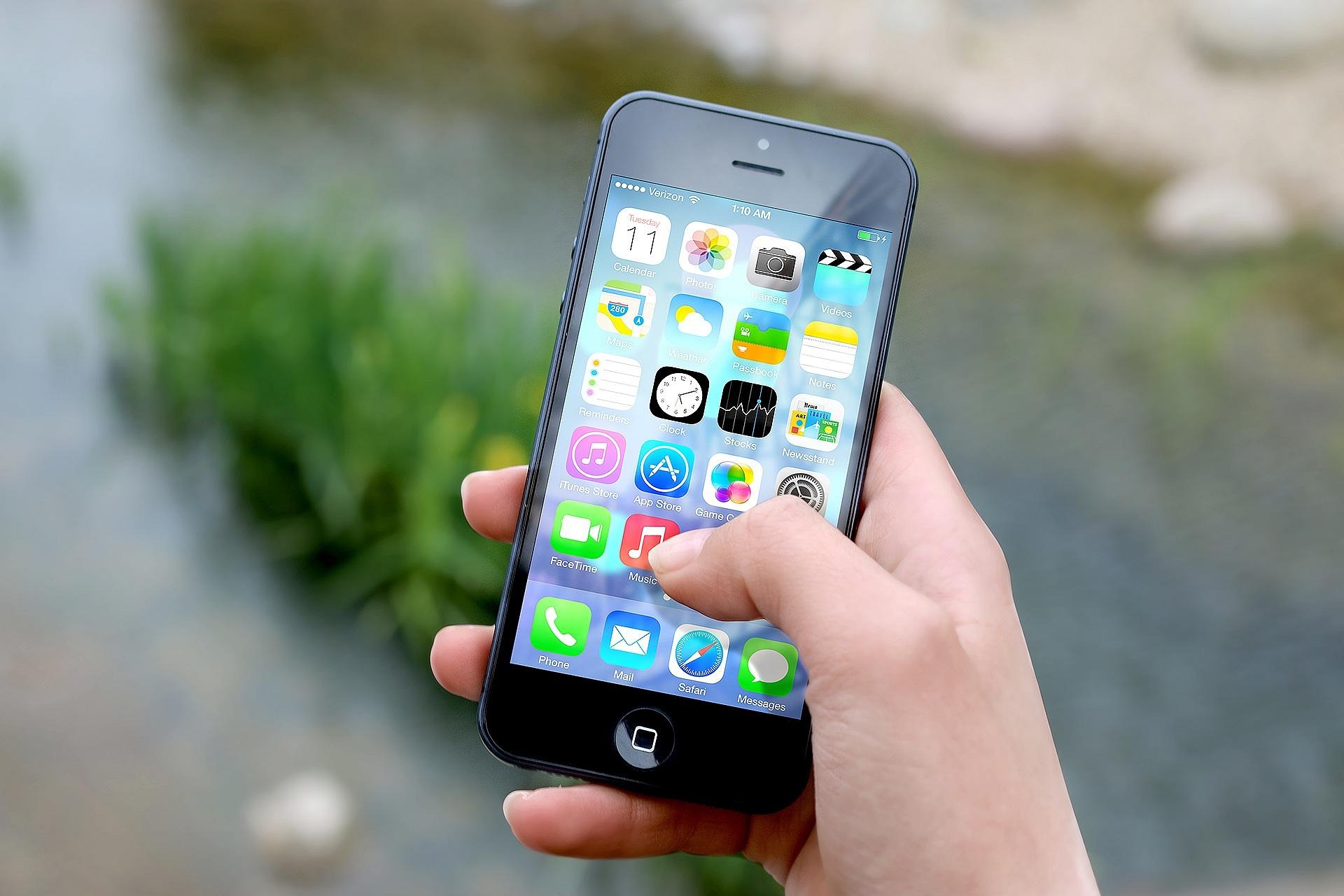
Mobile Device
Texas nonprofits are using mobile device strategies to track food distribution and reduce access barriers.
Mobile tools allow more targeted and user-friendly ways to quickly reach families struggling with hunger.
6 Game-Changing Ways Texas Nonprofits Are Using Mobile Devices to Fight Food Insecurity
Food insecurity affects millions. In response, nonprofits are utilising mobile device technology to reach and support weak communities. Here are 6 innovative ways Texas nonprofits are leveraging mobile devices to fight food insecurity.
1. Geo-Target Food Distribution Reports
Rather than using radio or paper flyers only, nonprofits, like the North Texas Food Bank, are adding mobile push notifications to their arsenal to inform their users about food drives and food pantries in their local communities. They are hyperlocal, time-sensitive, and more likely to be viewed, in real time, by families in rural areas.
2. The Mobile-First Food Pantry Locators
Pantry locators that are mobile-optimised have also increased in Texas. The platforms are handled with GPS to enable a user to locate the nearest pantry with the most accurate hours, service options, and eligibility. This can save time, fuel, and frustration for those without a stable means of transportation.
3. Text-Based Aids Programs
SMS-linked aid makes it easy for nonprofits to offer food aid. Individuals can send a keyword such as FOOD through a short-code and be directed on how to go about it in terms of location or make appointments. This eliminates the digital literacy gap and helps those who have less internet access.
4. Digital Intake and Pre-Screening
Time-consuming paperwork is always necessary in old, conservative food banks. Nevertheless, organisations such as the Central Texas Food Bank digitise the take-up procedure using mobile-friendly formatting applications. This minimises queues, physical congestion, and delays in service provision, particularly when there is an emergency or an outbreak.
5. Mobile App Developers Partnerships
In Texas, a handful of nonprofits are collaborating with app designers so that SNAP benefit reminders, healthy recipe collections, and meal planning tools come embedded within the mobile apps. These added attributes are not only food distribution-oriented, but they also aid financial literacy and improve nutrition.
6. Real-Time Feedback for Service Improvement
Nonprofits are gathering beneficiary feedback on their services using mobile surveys and app-based ratings. It enables them to know what is working and where the gaps are. In a resource-scarce industry, adaptable iteration in real time based on real-time data can be the difference between serving 100 families or 1,000.
Conclusion
Previously, the solution to the problem of food insecurity focused on distributions and the supply chain. Nowadays, it is about data, mobile strategy, and human-centred technology. Texas nonprofits are not just feeding people. They are redesigning mobile ecosystems that allow individuals to receive assistance fast, conveniently, and with dignity.
In the coming years, the merge of mobile technology with nonprofit work will not just be a trend, but a paradigm shift in the way services are given and lives are transformed.
Did you enjoy reading this article? Please share your comments and suggestions with us below this post.
In the current nonprofit environment, organizations are increasingly relying on technology to enhance donor interaction, ensure compliance, and streamline operations. The Pactman Nonprofit CheckPlus API […]
TABLE OF CONTENTS Introduction Overview of Nonprofit Grant Options Critical Statistics on Nonprofit Grants in the U.S. Nonprofit Grants in Washington Nonprofit Grants in Alabama […]
TABLE OF CONTENTS Introduction Nonprofit Funding Gaps in Africa Critical Statistics on Nonprofit Grants Local vs International Nonprofit Grants in Africa: A Comparative Analysis Overview […]
The term “best charities to donate to” describes impactful nonprofit organisations deserving of your support. This article researches the top nonprofits in Singapore. This article […]
Donating furniture is an excellent way to reduce waste and provide assistance to those in need. Numerous charitable organisations can be considered when you want […]
California is at the forefront when it comes to climate change action in the United States. Through their passionate and active policies, clean energy funding, […]