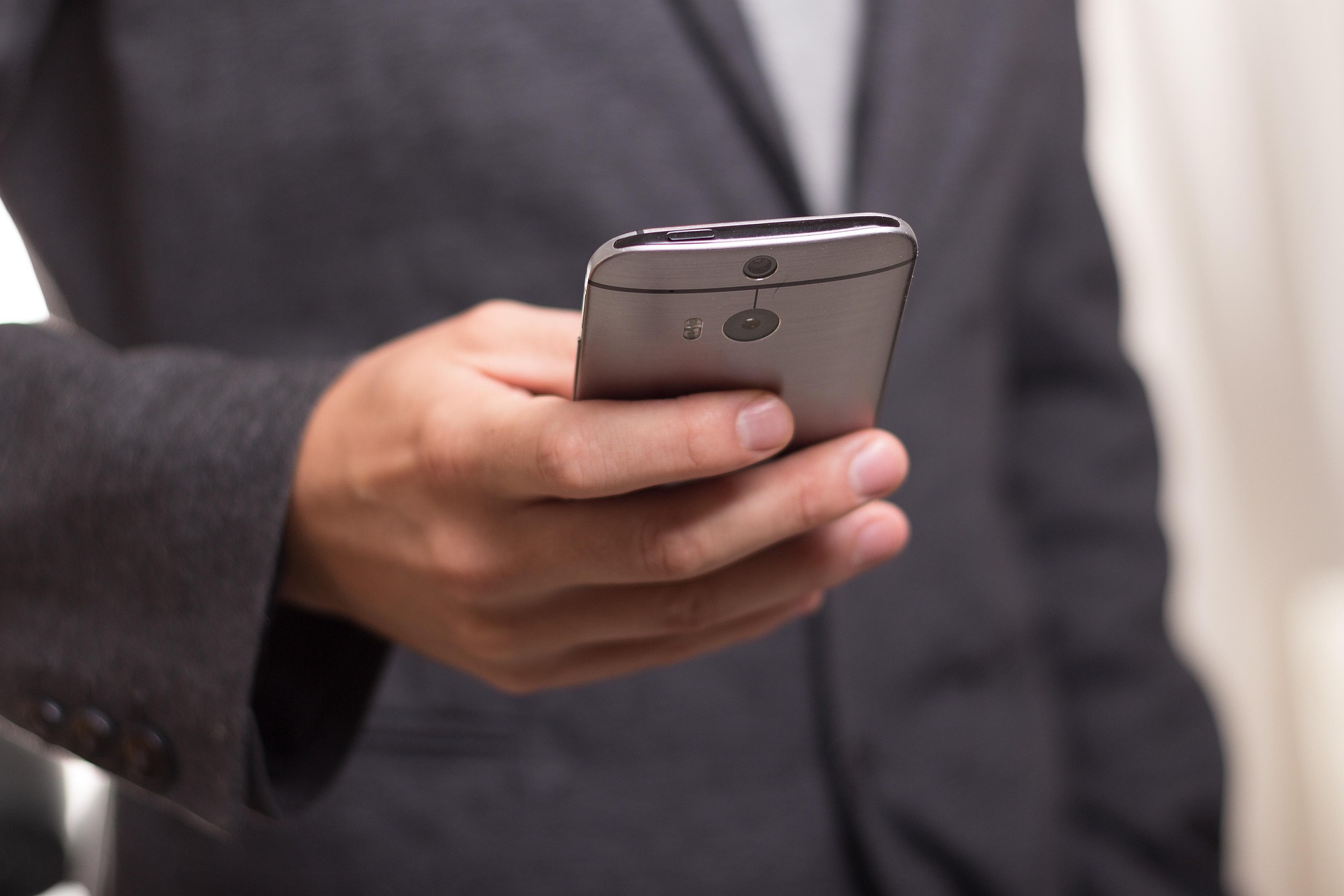
Mobile Device Cybersecurity Tips for Texas Nonprofits
Jon Tyrell
A 2024 report by IBM showed that more than 20% of global cyberattacks targeted nonprofits and small institutions. Mobile devices are the source of this insecurity. In Texas, nonprofit activities such as outreach, fundraising, and program delivery often occur simultaneously, making mobile security particularly crucial.
Mobile devices are necessary equipment for community work, donor engagement, and volunteer coordination. They are also often targets for hackers, mostly when staff and volunteers use personal mobile devices to access sensitive information. Nonetheless, safeguarding your information is easier than you think when you follow the right procedure.
Mobile Devices
Powerful security measures are important as nonprofits appreciatively rely on mobile devices for service delivery.
Texas nonprofits can utilise affordable digital technology equipment to safeguard sensitive information and maintain donor trust.
A Smart Approach to Mobile Cybersecurity
This article discusses six simple actions that protect your nonprofit’s information, people, and reputation.
1. Implement Mobile Device Management (MDM) Tools
Start with structure. An MDM solution lets you monitor, secure, and control the mobile devices accessing your nonprofit’s systems. With tools like Jamf Now or Microsoft Intune, you can remotely wipe data, enforce password policies, and manage app installations. MDMs are scalable — they work just as well for a team of 5 as they do for 50. This is key for smaller Texas nonprofits working across rural areas with limited IT support.
2. Use Two-Factor Authentication (2FA) on Everything
Nonprofits often rely on third-party tools — Gmail, Slack, and donor management platforms. Activating 2FA on all of them provides a high level of protection, even in cases when a gadget is lost or a password is compromised. Authenticator applications such as Google Authenticator or Duo Security are simple to install and do not entail costly licenses.
3. Avoid Public Wi-Fi, or Use a VPN
Public Wi-Fi, at public places such as community centres, coffee shops, during outreaches, etc., can be risky. If staff must use it, equip them with VPN access. Encrypt data in transit, protecting sensitive donor or beneficiary information from eavesdroppers.
4. Train Staff and Volunteers on Cyber Hygiene
Your people must know how to use the tools you provide them with responsibly. Hold short, regular training sessions. Topics should include spotting and manipulating messages, safely storing passwords, and reporting suspected breaches. Training is simple. It only needs to be clear, consistent, and practical.
5. Encrypt All Mobile Devices
Also, all devices — phones, tablets, or laptops — that access nonprofit data should have full-disk encryption turned on. It’s a native feature on both Android and iOS. If a phone is stolen from a parked car in Dallas or a café in Austin, encryption ensures that the data remains unreadable.
6. Limit Data Access by Role
Not everyone in your team needs access to all data. Use permissions based on duty to ensure that members and workers can only see what is necessary for their roles. This makes tracking access simpler in case of an incident.
Conclusion
Texas nonprofits face funding challenges, staff limitations, and various community needs. A cybersecurity breach would mean a lot: damaged reputations, lost donor trust, or harm to the people you intend to serve. Securing your mobile devices is about preparation. A few cautions will help protect your mission and strengthen your nonprofit’s reputation with supporters.
Did you enjoy reading this article? Please share your comments and suggestions with us below this post.
In the current nonprofit environment, organizations are increasingly relying on technology to enhance donor interaction, ensure compliance, and streamline operations. The Pactman Nonprofit CheckPlus API […]
TABLE OF CONTENTS Introduction Overview of Nonprofit Grant Options Critical Statistics on Nonprofit Grants in the U.S. Nonprofit Grants in Washington Nonprofit Grants in Alabama […]
TABLE OF CONTENTS Introduction Nonprofit Funding Gaps in Africa Critical Statistics on Nonprofit Grants Local vs International Nonprofit Grants in Africa: A Comparative Analysis Overview […]
Donating furniture is an excellent way to reduce waste and provide assistance to those in need. Numerous charitable organisations can be considered when you want […]
California is at the forefront when it comes to climate change action in the United States. Through their passionate and active policies, clean energy funding, […]
Education nonprofits are effective change agents. Individual lives as well as communities can be influenced through education. Additionally, it helps close the gaps, open up […]