How Global Warming Is Threatening Local Ecosystems in Illinois
Jon Tyrell
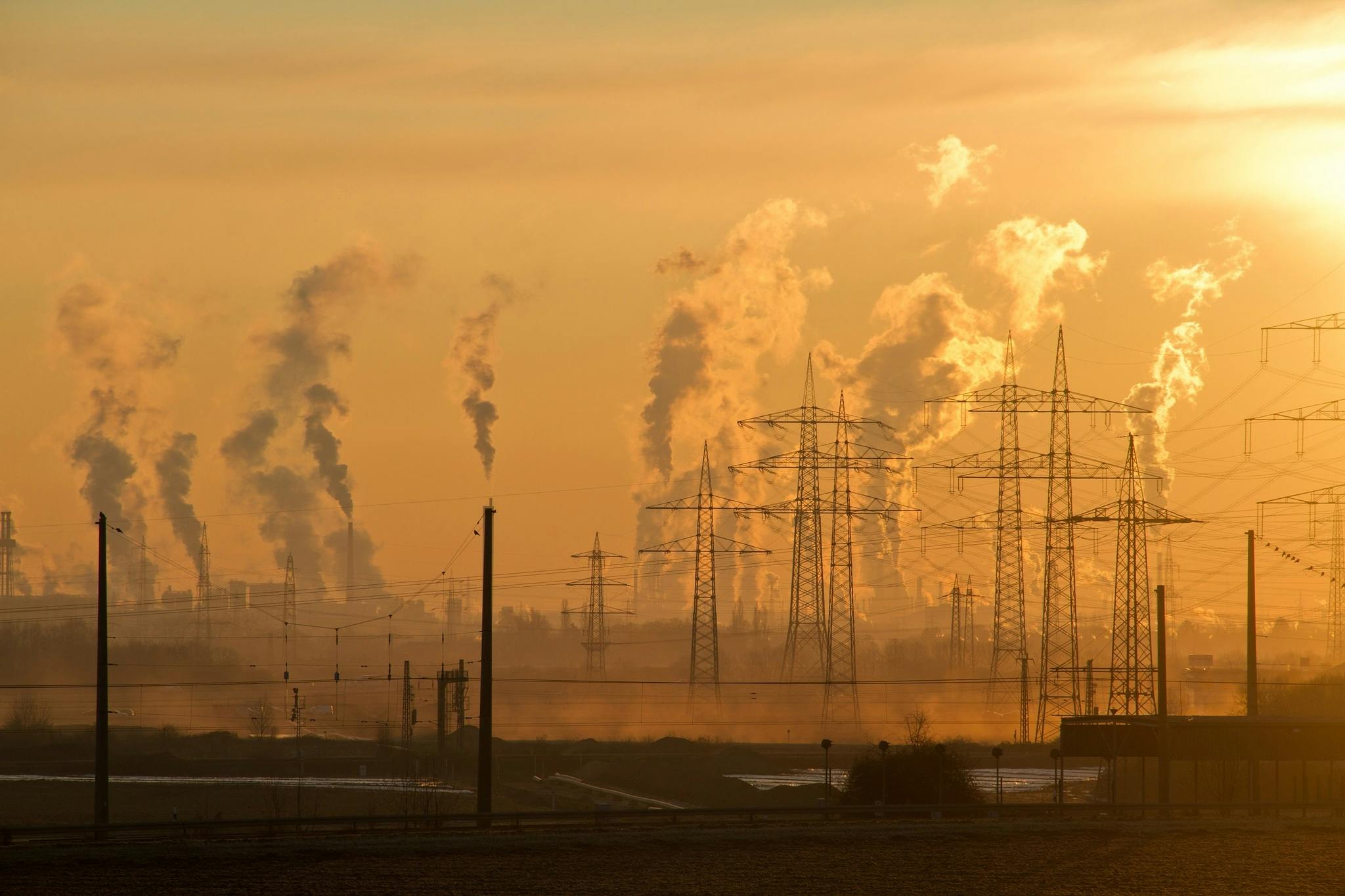
Global Warming is bringing changes to the landscape, endangering animals and plants and leading to more severe weather conditions. Despite these challenges, organisations are working hard to reduce these effects and support sustainable solutions.
Global Warming
Unpredictable climatic change disrupts migratory birds’ feeding schedules, resulting in shorter egg production and low populations.
By lowering runoffs from farms and encouraging the cultivation of local plant species near rivers, organisations like Prairie Rivers Network are helping to protect these areas.
5 Ways Illinois Ecosystems Are Being Disturbed by Global Warming
This article focuses on the primary ways by which global warming is affecting the state’s environment and how local nonprofit groups address these issues.
1. Decline of Native Species
In Illinois, rising temperatures harm the monarch butterfly because the milkweed it relies diminishes in availability. Monitoring the areas where animals frequently travel and promoting the growth of their natural vegetation are two conservation strategies that prove helpful in this situation. Unpredictable climatic change also disrupts migratory birds’ feeding schedules, resulting in shorter egg production and low populations.
2. Stress in Aquatic Ecosystems
Due to less oxygen availability at the bottom of lakes and rivers, these bodies become warmer and affect the aquatic life forms in them. Trout are disappearing from the Rock and Fox Rivers due to warmer, oxygen-poor water. By lowering runoffs from farms and encouraging the cultivation of local plant species near rivers, organisations like Prairie Rivers Network are helping to protect these areas.
3. Wetland Degradation
There is a steady decline in Illinois wetlands. This is concerning as they support multiple species, help clean polluted water, and reduce carbon emissions. To prevent this from happening, groups such as Openlands and The Wetlands Initiative focus on conserving major lands and working to keep wetlands safe.
4. Changes In Crop Growth
Abnormal weather conditions are damaging crops such as soybeans. To support better soil and lessen emissions that affect weather patterns, groups such as the Illinois Stewardship Alliance introduce farmers to cover cropping and no-till farming.
5. Habitat Fragmentation and Urban Pressures
If towns grow into places where animals live, the animals may become isolated, and their genetic variation will lessen. It is, however, comforting to learn that groups such as Friends of the Forest Preserves are working hard to protect wildlife and green areas. Through reforestation projects, regular prairie care, and spreading education, these groups help secure some animals’ habitats.
Conclusion
NGOs work to educate people about sustainable living. This prompts communities to change their lifestyle and assist in combating global warming. Uniting as a state and cutting down on greenhouse gases will help Illinois preserve its wildlife.
Did you enjoy reading this article? Please let us know by sharing your comments and suggestions with us below this post.
In the current nonprofit environment, organizations are increasingly relying on technology to enhance donor interaction, ensure compliance, and streamline operations. The Pactman Nonprofit CheckPlus API […]
TABLE OF CONTENTS Introduction Overview of Nonprofit Grant Options Critical Statistics on Nonprofit Grants in the U.S. Nonprofit Grants in Washington Nonprofit Grants in Alabama […]
TABLE OF CONTENTS Introduction Nonprofit Funding Gaps in Africa Critical Statistics on Nonprofit Grants Local vs International Nonprofit Grants in Africa: A Comparative Analysis Overview […]
When you want to donate, consider the best charities to donate to. Various charity groups in Jamaica work to improve education, healthcare, the environment, and […]
Nonprofit status always determines whether a Gauteng-located organisation gets grant funding or walks away with nothing. Let’s delve into the reasons this happens and how […]