Global Warming and Extreme Weather in Virginia: How Nonprofits Are Responding
Jon Tyrell
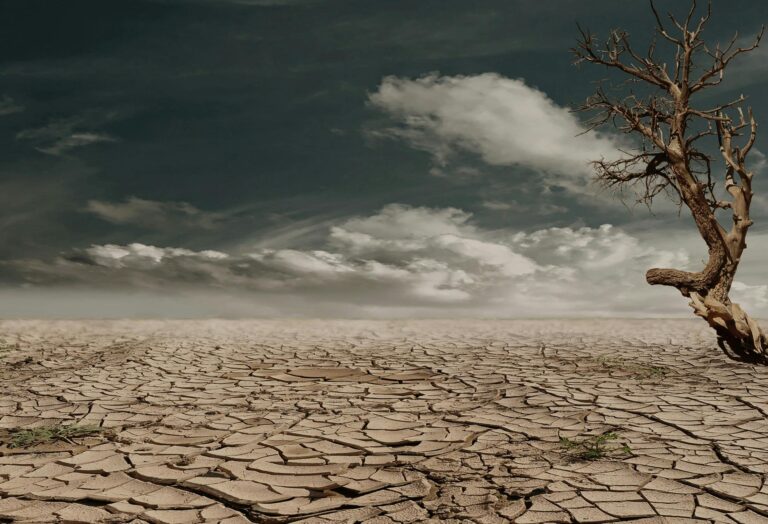
In Virginia, nonprofits are addressing the effects of extreme weather events, including Hurricanes, flooding, heat waves, and coastal erosion. Initiatives leveraged by these organisations include education, disaster preparedness, and other programs. By and large, the goal is to help communities cope with the impact and prosper amid the adverse effects of global warming.
Global Warming
The less privileged and minority communities in Virginia frequently face the worst impacts of climate change.
Nonprofits create a more adaptable and enlightened Virginia that can withstand the challenges of climate change.
5 Ways Virginia Nonprofits Are Responding to Global Warming and Extreme Weather
This article discusses how Virginia nonprofits are fighting climate change and its impact on the state.
1. Promoting Climate Education and Awareness
Education is the pillar of long-lasting climate resilience. Virginia Interfaith Power & Light (VAIPL) is educating religious communities across the state about planetary change and sustainable living. They organise workshops, digital resources, and community platforms that link climate change to health, social justice, and religious action.
Also, the Climate Reality Project, Central Virginia Chapter, arranges regular programs and webinars to explain the science of extreme weather occurrences and the local implications of a warming planet. The objective is to support citizens with accurate knowledge and solutions they can act on.
2. Fostering Disaster Preparedness
Hurricanes and floods are increasingly experienced in the coastal parts of Virginia (i.e., Hampton Roads and the Eastern Shore), thus, the nonprofits in the state are developing community preparedness. Resilient organisations partner with the government and civic groups to develop adaptation plans and assess vulnerability. The “Resilient Community Roadmap” program helps towns assess their climate risks and develop workable resilience strategies. These practical measures lessen damage during storms and shorten recovery times, especially for susceptible populations.
3. Restoring Natural Defences
Virginia’s wetlands, forests, and shorelines are her natural defence against extreme weather, but they are quickly deteriorating because of development and rising temperatures. Wetlands Watch, The Nature Conservancy, and other conservation nonprofits in Virginia are investing in ecosystem restoration to fight erosion, sink carbon, and reduce flood risks.
Wetlands Watch often campaigns for the use of ‘living shorelines,’ natural solutions like oyster reefs, and marsh grasses to stabilise coastlines without hurting the environment. These projects protect communities and preserve endangered wildlife habitats.
4. Supporting Climate Equity and Environmental Justice
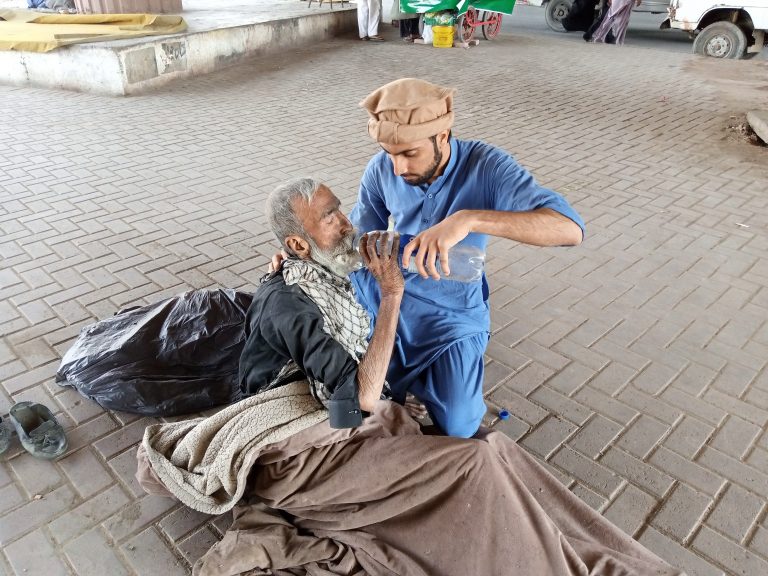
The less privileged and minority communities in Virginia frequently face the worst impacts of climate change. Virginia nonprofits and others are striving to ensure these communities are more protected. They give support by training local leaders, arranging neighbourhood forums, and speaking for non-biased climate and infrastructure funding. They also ensure that disaster relief, adaptation funding, and green infrastructure investments are distributed reasonably across racial and economic borders.
5. Impactful Climate Policy Advocacy
The Virginia Conservation Network (VCN), Appalachian Voices, and other organisations partner with the state’s legislators to push for strict environmental protection regulations and clean energy policies. Their teams support research, campaign funding, and outreach to create a good climate future for Virginia.
Conclusion
Virginia nonprofits play a vital role in addressing the Earth’s rising temperatures and tackling the state’s rising weather threats. They empower communities, protect the environment, and influence policies. These organisations create a more adaptable and enlightened Virginia that can withstand the challenges of climate change.
Was this article helpful? We would love to hear your questions and opinions about this article in the comments section below.
In the current nonprofit environment, organizations are increasingly relying on technology to enhance donor interaction, ensure compliance, and streamline operations. The Pactman Nonprofit CheckPlus API […]
TABLE OF CONTENTS Introduction Overview of Nonprofit Grant Options Critical Statistics on Nonprofit Grants in the U.S. Nonprofit Grants in Washington Nonprofit Grants in Alabama […]
TABLE OF CONTENTS Introduction Nonprofit Funding Gaps in Africa Critical Statistics on Nonprofit Grants Local vs International Nonprofit Grants in Africa: A Comparative Analysis Overview […]
California is at the forefront when it comes to climate change action in the United States. Through their passionate and active policies, clean energy funding, […]
Education nonprofits are effective change agents. Individual lives as well as communities can be influenced through education. Additionally, it helps close the gaps, open up […]
Homeless charities provide a haven for individuals who cannot afford to procure homes or fend for themselves. Ireland is a country faced with homelessness, just […]