


Blood donation is crucial for disaster preparedness as it ensures that hospitals have sufficient blood supplies. This helps to treat victims of natural disasters, road accidents, and all other medical emergencies. In any emergency crisis, a consistent blood supply will help those in need of urgent blood.
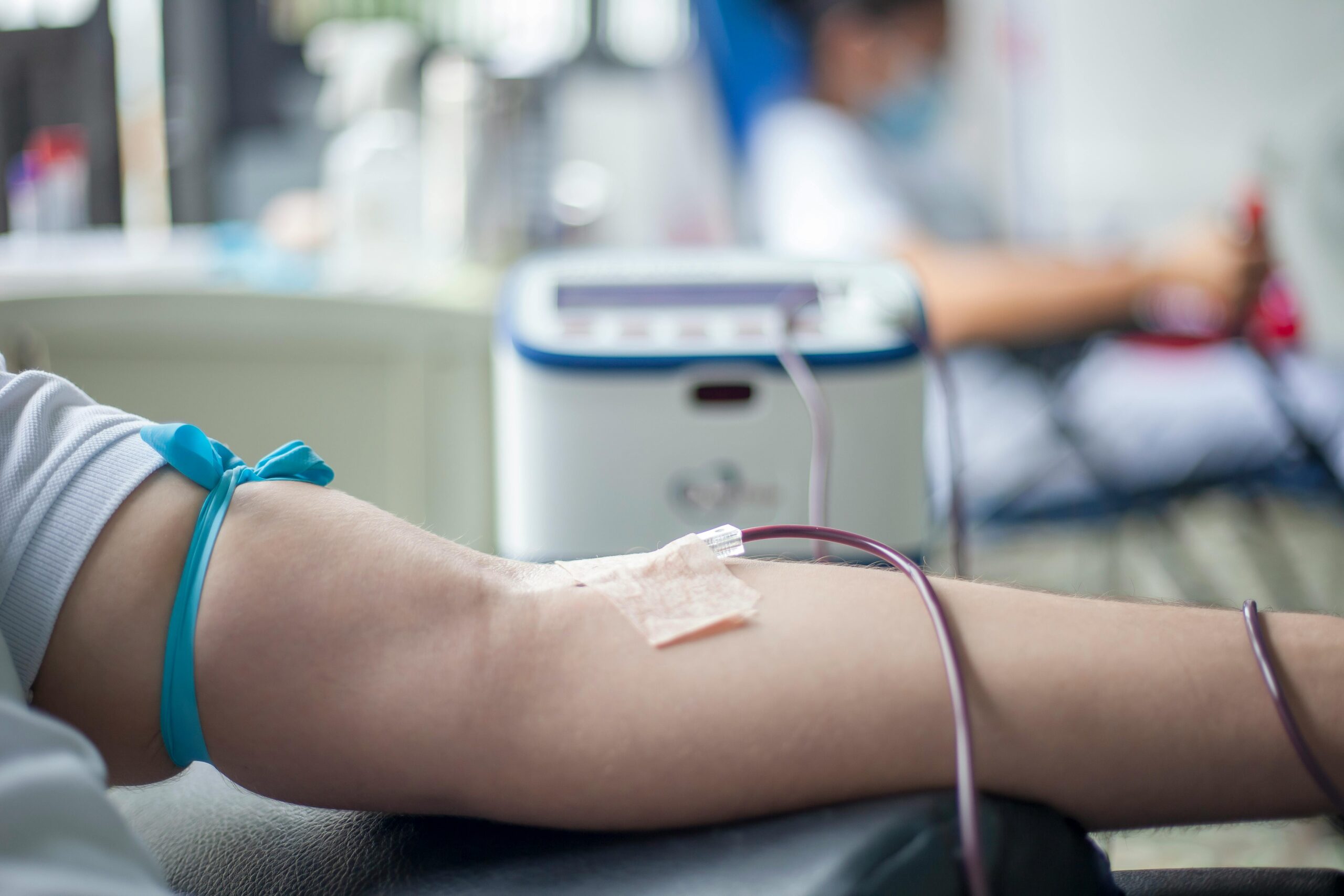
- A consistent blood supply is necessary for disaster preparedness in Gauteng.
- Disturbance in blood supply due to crises can have serious consequences for cancer patients and those with blood disorders.
How Blood Donation Addresses Emergency Situations
The importance of donating blood cannot be overemphasised:
1. Meeting Emergency Medical Needs
During disasters of mass casualty, hospitals require large amounts of blood to perform surgeries. Blood transfusions help stabilise critical conditions caused by excessive blood loss. Also, the lack of a readily available blood supply makes such severe medical conditions difficult to manage.
2. Supporting Patients with Chronic Conditions
Disturbance in blood supply due to crises can have serious consequences for cancer patients and those with blood disorders.
3. Strengthening Healthcare
Sufficient blood reserve assists medical centres in Gauteng in responding to disasters without any delay. Properly planned blood donation arrangements minimise the risk of shortages and enable health institutions to prepare for any increase in demand.
Challenges to Blood Donation in Gauteng
Despite efforts, some challenges persist in blood donation drives
1. Low Donor Participation
Many Gauteng residents hesitate before they donate blood because of wrong information, fear of contaminated tools, or a lack of awareness of its importance.
2. Logistics and Storage Issues
Blood has its specific shelf life. It requires proper storage and well-arranged distribution to prevent shortages. Ensuring that blood banks and hospitals have the facilities to store and transport blood successfully is necessary for disaster preparedness.
3. Large Demand During Crises
In any disaster, there is a sudden rise in blood demand, which can overpower the supply avenues. Having a consistent flow of donors and well-organised blood collection endeavours can lower this risk.
Steps to Improve Blood Donation for Disaster Preparedness
These four steps will improve your blood donation drive
1. Increasing Public Awareness
Educational campaigns led by the national health institution and the South African National Blood Service (SANBS) can help create awareness of the importance of regular blood donation.
2. Businesses and Institutional Participation
Corporate bodies and educational bodies can help organise blood donation initiatives and encourage their workers to become regular donors. Collaborations between blood banks and businesses can increase donor turnout.
3. Leveraging Technology for Efficient Blood Management
Using online platforms for donor registration, appointment fixing, and blood supply monitoring can increase the efficiency of blood collection and distribution.
4. Creating Blood Collection Points in High-Traffic Areas
Establishing donation centres in shopping centres and colleges can make it easier for people to come out regularly for donations.
Conclusion
As in any large province, blood donation is important in disaster preparedness in Gauteng. It ensures that hospitals have the resources needed for life-saving. By tackling the issues of low donor participation and administrative inefficiencies, the province can build a more stable blood supply system. Encouraging time-to-time blood donations and utilising technology will also improve Gauteng’s ability to respond adequately to health emergencies.
If you enjoyed reading this article, please share your comments and suggestions with us at the bottom of this post.