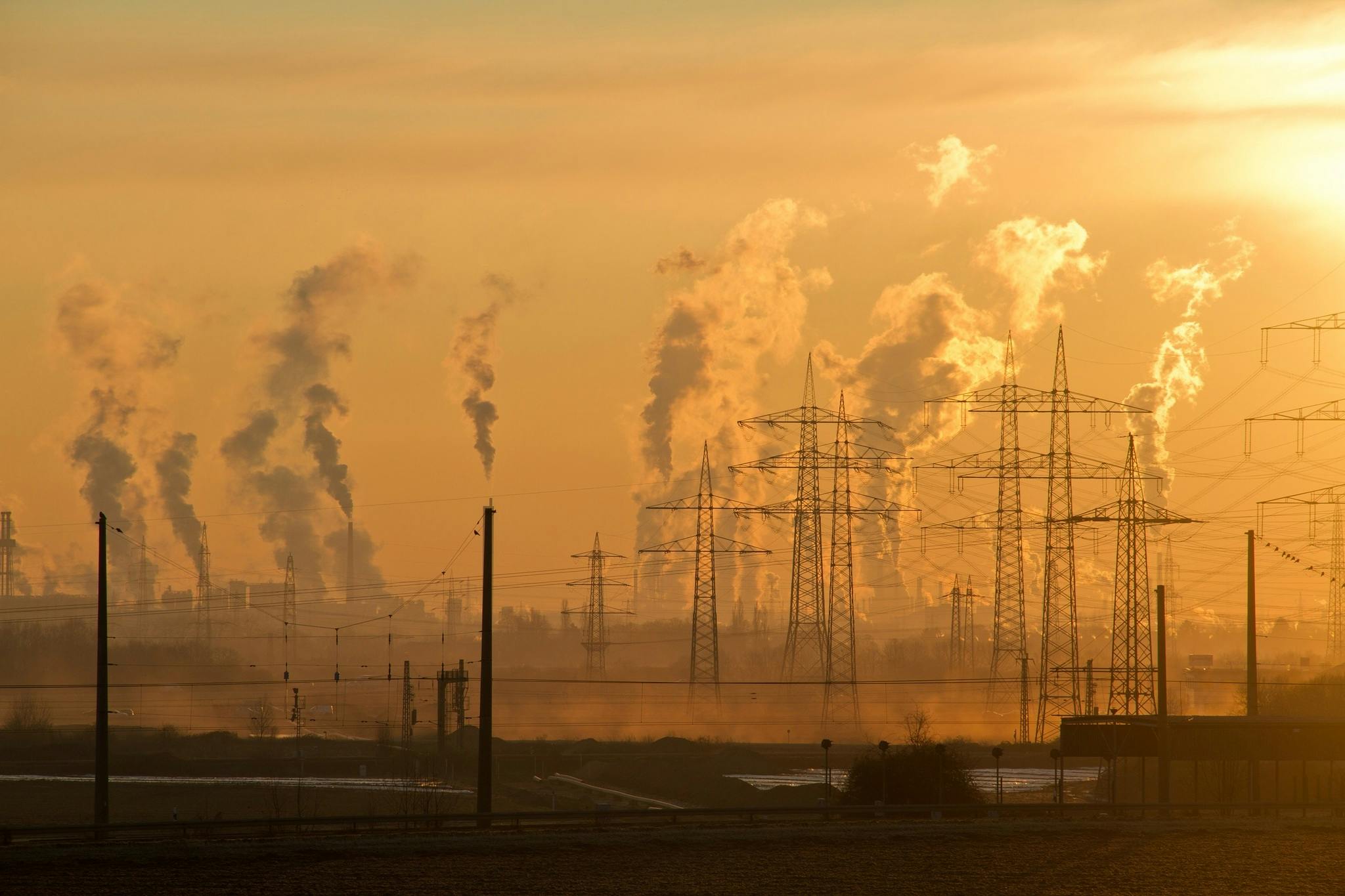
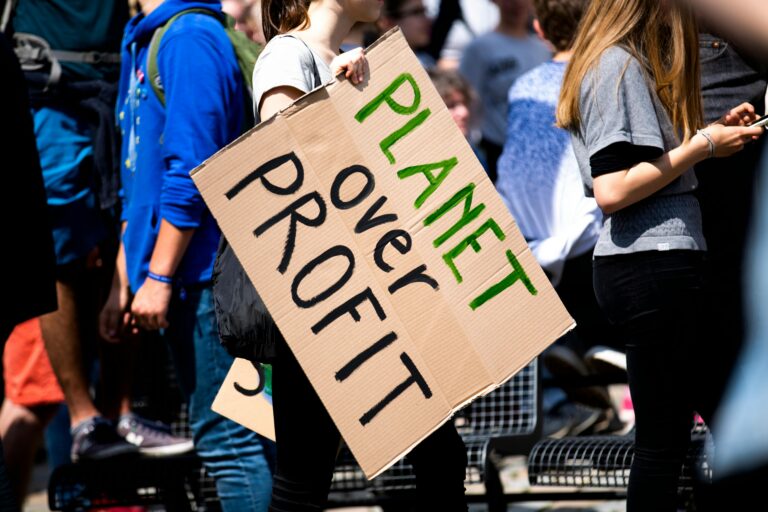
Florida continues to grapple with intense economic deterioration caused by climate change. This in turn has resulted in sea level rise, hurricane intensity and extreme heat conditions. Even more, major sector industry are at risk including tourism, real estate, agriculture and infrastructure. The impact of the climate crisis has caused the state to incur ever-increasing costs.
Climate Change
Florida’s tourism sector generates over a hundred billion dollars every year.
Climate change is beginning to have a severe influence on the Florida real estate business.
How Climate Change Affects Florida’s Economy
In this article, we will highlight the impact of climate change on the economic stability of Florida.
1. Tourism and Hospitality
Over a hundred billion dollars are generated annually from tourism in Florida, making the industry particularly vulnerable to climate change. The popular tourist beaches of Florida, includingCaladesi Island State Park, are under direct threat from increasing sea levels. The strength of hurricane activity, together with flood events, results in temporary tourism declines as travellers tend to postpone their plans when safety is an issue.
2. Real Estate and Property Values
Thereal estate industry in Florida is currently experiencing the negative impacts of climate change. Properties situated along the coast are vulnerable to rising tides and hurricane storm waves as a result of flooding. Homeowners residing in flood-prone zones find themselves dealing with high-cost insurance premiums and falling property values, which creates economic upheaval.
3. Agriculture and Food Production
Theagricultural sector of Florida delivers over $7 billion to the state economy. However, the sector battles against temperature increases as well as changing rainfall and intensifying storms. Extreme weather conditions and diseases, including citrus greening, are proving rapidly more dangerous for Florida’s citrus farming industry, which produces considerable economic value. High saltwater intrusion, together with sea level rise, impairs the accessibility of freshwater needed for agricultural use.
4. Infrastructure and Public Costs
Also, the state faces mounting pressure on its infrastructure due toclimate change developments. Modern road structures, along with bridges and drainage systems, demand expensive repairs to resist higher flood risks and more severe storm damage. Stateclimate resilience investment programs cost billions to taxpayers, leading to financial strain.
5. Financial Stability and Insurance
Climate change and insurance firms pulling out of Florida owing to hurricane concerns have contributed to a rise in insurance policy premiums. This condition puts a lot of pressure on households and companies, limiting their ability to recover from disasters. When insurance costs exceed affordability, economic migration and investment will diminish.
Conclusion
The economic pressure caused by climate change in Florida keeps growing at an alarming pace. The state economy, along with its essential industries, faces substantial economic stress unless proper climate adaptation and mitigation solutions are established to decrease costs and damage intensity. Florida’s economic future demands implementing advanced policies accompanied by financial investments for resilience to defend its economic welfare.
If you like this post and you have something to say, feel free to leave a comment below.
In the current nonprofit environment, organizations are increasingly relying on technology to enhance donor interaction, ensure compliance, and streamline operations. The Pactman Nonprofit CheckPlus API […]
TABLE OF CONTENTS Introduction Overview of Nonprofit Grant Options Critical Statistics on Nonprofit Grants in the U.S. Nonprofit Grants in Washington Nonprofit Grants in Alabama […]
TABLE OF CONTENTS Introduction Nonprofit Funding Gaps in Africa Critical Statistics on Nonprofit Grants Local vs International Nonprofit Grants in Africa: A Comparative Analysis Overview […]
Most organisations prefer Asana as their management tool. It is especially useful for planning a client’s work, such as developing and updating a content calendar […]
As a climate change leader, Virginia establishes its position by implementing forward-thinking policy measures through renewable power investments and nature protection initiatives. The government of […]