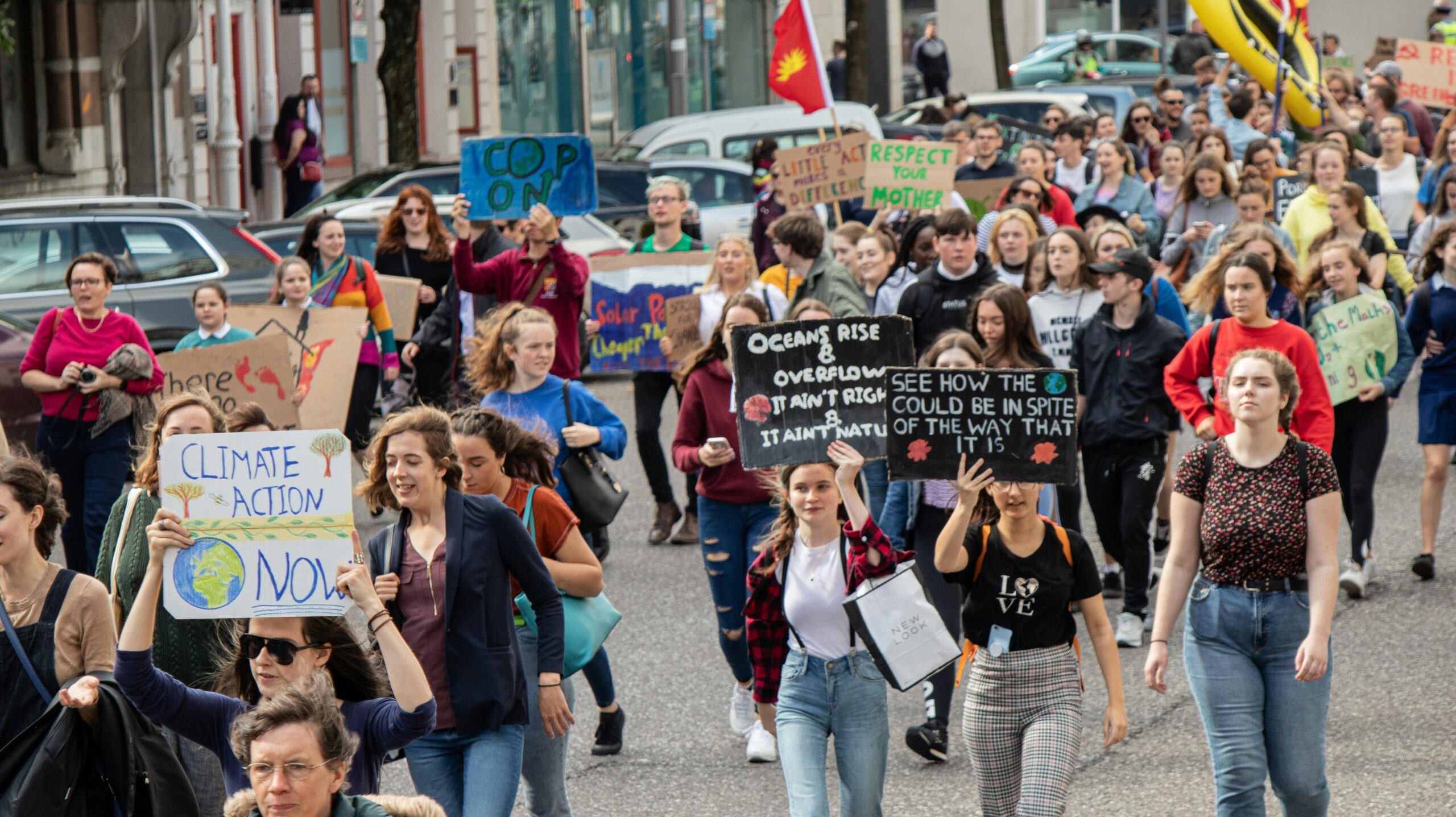
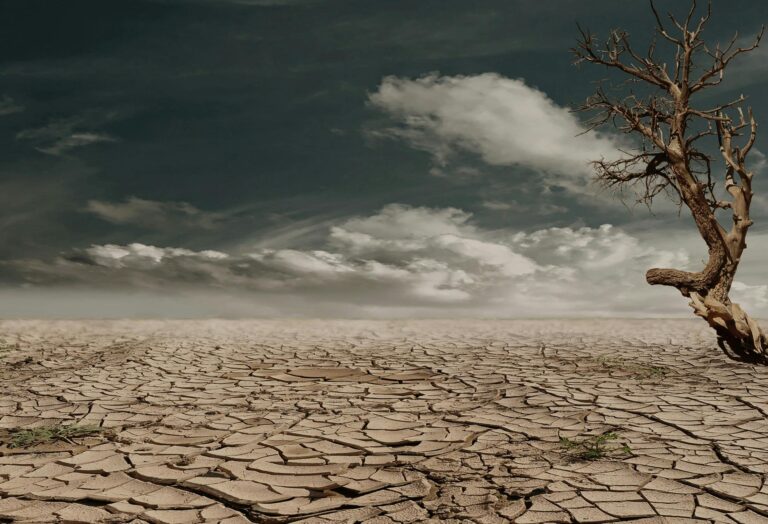
Various sectors in England suffer economic challenges because of climate change, which affects agricultural systems, construction infrastructure, public health, and tourism operations. Environmental changes, including rising temperatures, recurring floods and extreme weather. This, in turn, has created immediate monetary burdens on the economy, thus requiring urgent risk reduction and adaptation approaches.
Climate change
Increasing temperatures raise the demand for cooling systems, thereby raising electricity costs.
England is at high risk of flooding as coastal and riverside districts are vulnerable.
How Climate Change in England Affects the Economy
Various sectors of the economy experience adverse economic impacts because of changing conditions that affect farming practices and foundational structures. This has also led to health problems alongside financial disturbances.
1. Agriculture and Food Security
Climate change affects agriculture more than any other sector in the economy. Heavy rain and droughts, along with warmer climate conditions, create challenges for crop production in English fields. Farming cycles become disrupted by unpredictable climate patterns. Thus, farmers face both reduced productivity levels and higher production expenses. The changing climate creates conditions that cause food prices to increase because supply chains get disrupted and domestic food production decreases, harming consumers.
2. Infrastructure and Property Damage
England faces a high danger of flood incidents because both coastal areas and riverbank regions stand at significant risk. Rising ocean heights coupled with intensifying storms have generated expanded flood damage, which requires countries to spend billions of dollars as they adapt their defences. The Environment Agency projects reports that annual flood costs for England currently reach £1 billion and will probably increase. Enhanced spending on flood defences, along with improved drainage systems, constitutes an essential foundation for lowering these environmental risks.
3. Public Health and Workforce Productivity
Heavier summer heat generates more health risks through heat illnesses, which additionally overburden the National Health Service (NHS). Pensioners, together with people who have underlying health factors, are considered high-risk groups. Extremely hot weather leads to decreased productivity levels in workers, especially among those who operate in outdoor construction sites. A decrease in employee productivity will result in economic stagnation through reduced work output and higher employee absences.
4. Energy and Transportation
Higher temperatures create an increased need for cooling systems, which leads to energy sector challenges and higher electricity expenses. The disruption of transportation systems by severe weather patterns creates economic consequences through infrastructure breakdowns, transportation delays, and road-railway destructions. The government must fund projects that combine renewable energy sources with infrastructure designed to resist climate impacts to maintain ongoing economic stability.
Conclusion
Several key economic sectors in England face imminent danger due to climate change developments. The financial burden will keep escalating when no proactive effort is taken to fund adaptation and mitigation programs. Public leaders need to speed up their efforts toward developing a low-carbon economy while building resilient infrastructure and creating protection systems for vulnerable industries. Future protection of England requires investments that deliver steady economic impact when compared to the expenses of doing nothing.
If you like this post and you have something to say or some questions, feel free to leave a comment below.
In the current nonprofit environment, organizations are increasingly relying on technology to enhance donor interaction, ensure compliance, and streamline operations. The Pactman Nonprofit CheckPlus API […]
TABLE OF CONTENTS Introduction Overview of Nonprofit Grant Options Critical Statistics on Nonprofit Grants in the U.S. Nonprofit Grants in Washington Nonprofit Grants in Alabama […]
TABLE OF CONTENTS Introduction Nonprofit Funding Gaps in Africa Critical Statistics on Nonprofit Grants Local vs International Nonprofit Grants in Africa: A Comparative Analysis Overview […]
The term “best charities to donate to” describes impactful nonprofit organisations deserving of your support. This article researches the top nonprofits in Singapore. This article […]
Donating furniture is an excellent way to reduce waste and provide assistance to those in need. Numerous charitable organisations can be considered when you want […]
California is at the forefront when it comes to climate change action in the United States. Through their passionate and active policies, clean energy funding, […]