Mobile Devices: Its Role in Disaster Relief Efforts Across Texas
Jon Tyrell
The use of mobile devices in disaster relief efforts across Texas has transformed how emergency responders coordinate their efforts. Whether it is hurricanes along the Gulf Coast or tornadoes in the Panhandle, these easily transportable technologies can serve as the lifeline during the most difficult times in the state.
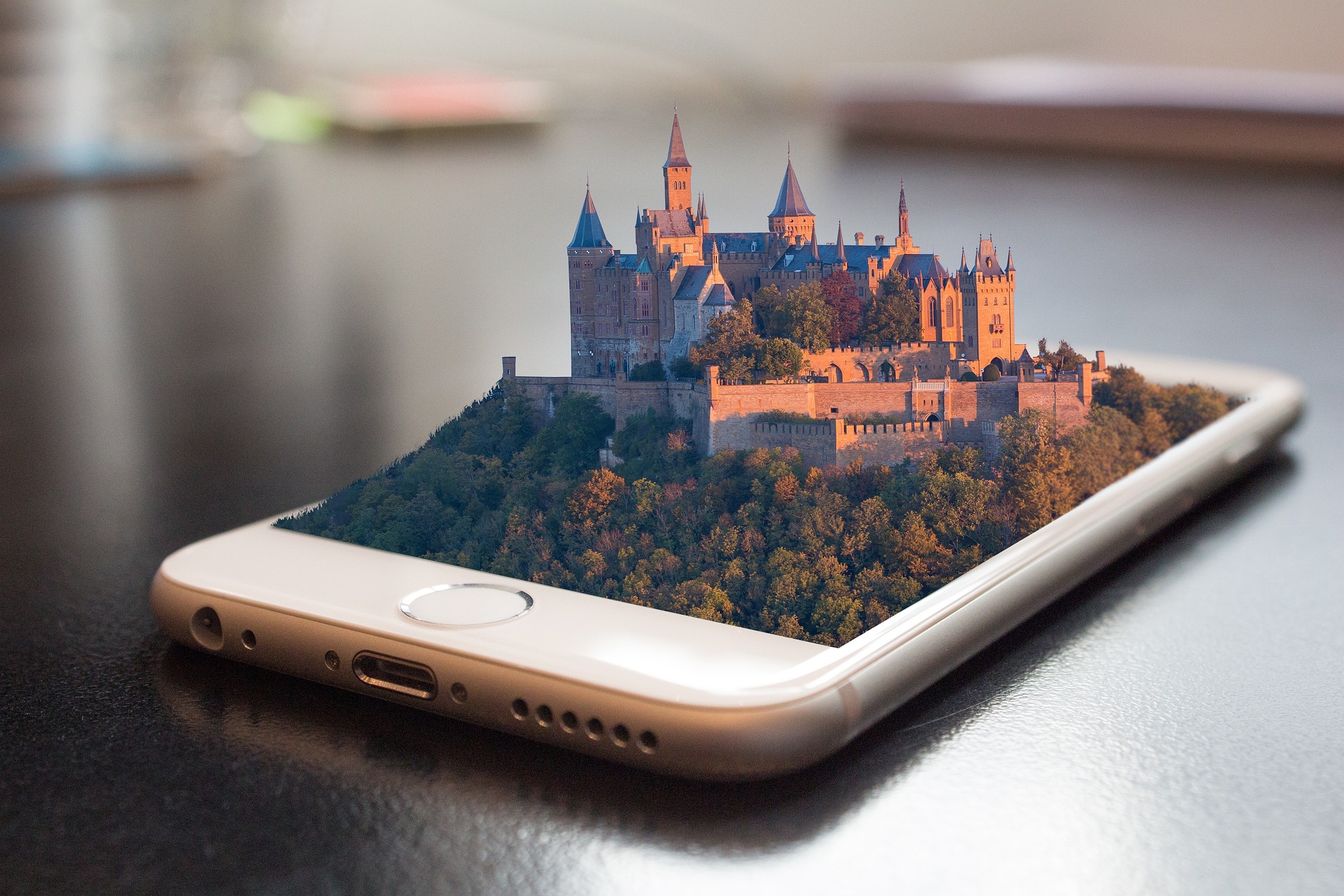
Mobile devices
One such mobile application that has the potential to save lives is Wireless Emergency Alerts.
In Texas, rescue squads, fire departments, and non-governmental organisations frequently employ mobile communications technologies.
The Role of Mobile Devices in Texas Relief
With technology progressing further, mobile phones will become even more advanced. This will make it possible to save more lives and minimise the consequences of the disasters across Texas.
1. Immediate Communication and Alerts
The Wireless Emergency Alerts (WEA) is one such example of a mobile use that can save lives. In times of hurricanes, floods, or otherwise severe weather conditions, alerts show Texans location-based warnings on their phones. Even more, they do not need an application or an internet connection. These Amber and Emergency alerts are vital in spreading messages that only take a few seconds to reach people for action to be taken, especially in desperate times.
2. Information Dissemination via Social Media & Messaging
Local governments and ordinary people can use social networks like Facebook, Twitter (now X), Nextdoor, and WhatsApp to transfer the latest information. They also provide evacuation directions, alternative paths, shelter, and volunteering opportunities. During the past few years, local disaster management units in Texas have begun communicating via official social media. This dispels misleading information and raises community awareness with time-sensitive information.
3. Real-Time Disaster Mapping & Reporting
Applications like Citizen, Waze, and community-based GIS that crowdsource reporting can be used by residents to report on flood levels through their smartphones. The EOC adds meteorological and infrastructure maps on top of this data for situation awareness that aids in the prioritised deployment of resources.
4. Coordination Among First Responders
The use of mobile communications platforms, such as Zello, Slack, or publicly safe apps, is used by rescue teams, fire departments, and NGOs in Texas regularly. Such tools provide encrypted voice and messaging capabilities. This allows the rapid coordination between agencies, even in congested and interrupted cellular networks.
5. Volunteer Management & Logistics
Applications like Team Rubicon, Virtual Red Cross, or the app of the Federal Emergency Management Agency arrange volunteer recruitment, training, and unloading requests. Volunteers are able via smartphone interfaces to check-in deployment locations, declare readiness, track work, post photos, and organise logistics. This helps operational team efforts to go where they are needed.
Conclusion
Throughout Texas, centres for disaster activity lie as far apart as hurricanes on the Gulf Coast. Mobile technology has made a difference in the way people respond to disaster relief, with response operations quicker, more specific, and more survivable than before. It has thus increased the efficiency in saving lives and the reconstruction of the communities.
If you like this post and you have something to say, feel free to leave a comment below.
In the current nonprofit environment, organizations are increasingly relying on technology to enhance donor interaction, ensure compliance, and streamline operations. The Pactman Nonprofit CheckPlus API […]
TABLE OF CONTENTS Introduction Overview of Nonprofit Grant Options Critical Statistics on Nonprofit Grants in the U.S. Nonprofit Grants in Washington Nonprofit Grants in Alabama […]
TABLE OF CONTENTS Introduction Nonprofit Funding Gaps in Africa Critical Statistics on Nonprofit Grants Local vs International Nonprofit Grants in Africa: A Comparative Analysis Overview […]
Most organisations prefer Asana as their management tool. It is especially useful for planning a client’s work, such as developing and updating a content calendar […]