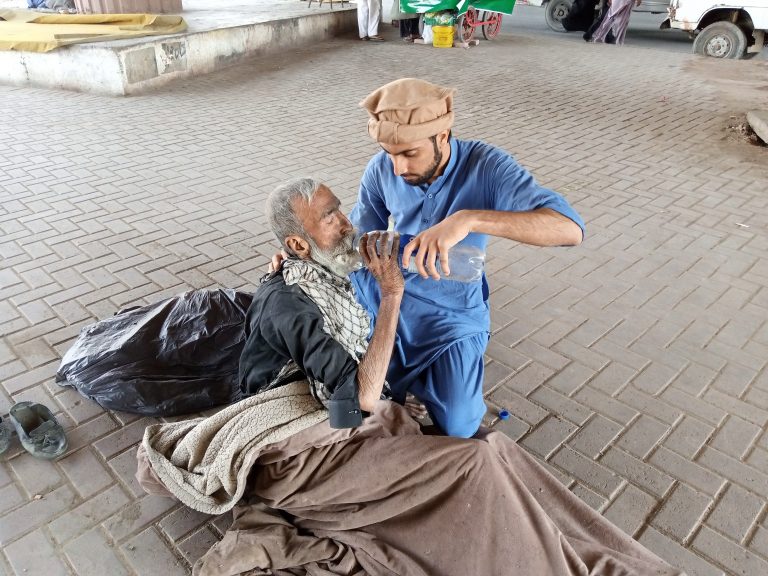
Using Mobile Devices to Improve Homeless Services in Texas
Jon Tyrell
Mobile devices are transforming and improving homeless services throughout Texas. Earlier viewed as only communication tools, these handy technologies are now a means to healthcare, shelter, and dignity for many homeless individuals.
In this modern age, access todigital tech resources gives opportunities. Also, for Texas’s homeless population, this privilege can bring about inclusion, safety, and growth. Online access is currently an essential requirement rather than a privilege.
Mobile Devices
Charities demonstrate that technology can be harnessed with compassion and guidance to serve as a social force for good.
Charitable organisations are harnessing the potential of handheld technology to restore self-respect among disadvantaged individuals in Texas.
A Perfect Tool for Connection and Dignity
Texas nonprofits are utilising the power of mobile devices to provide immediate and effective assistance to homeless populations. Below are five ways mobile devices are improving the quality of homeless services in Texas.
1. Simplified Access to Shelter Information
Finding reliable information for locating city shelters is a daily task for many. Shelter Finder TX has developed mobile-friendly platforms that allow individuals to quickly check for room availability, hygiene services, or safe overnight spaces. These platforms remove the uncertainty and time-wasting that were once the usual conditions.
2. Streamlined Health Service Scheduling
Homeless people face many difficulties accessing healthcare. But with mobile devices, many now book telehealth appointments, accessmental health services, and receive medication reminders. Some clinics likeLone Star Health Street have apps that connect case workers with clients for faster treatment and follow-ups. This is particularly vital in Houston and Dallas, the urban areas where physical health centres are often overwhelmed.
3. Case Management Made More Personal
Mobile case management allows nonprofits to keep consistent, personalised communication with homeless clients. By using simple SMS reminders or WhatsApp, some organisations likeOutreachBridge Texas can track services, remind clients about appointments, and offer instant emotional support. Rather than rare interactions, mobile platforms ensure continuous interaction.
4. Digital Identification and Documentation
In the absence of IDs, individuals find it hard to access basic resources. Charities have now resorted to storing important documents digitally, which comes in handy in the event of emergencies or official matters.
5. Empowerment Through Education and Employment Tools
Digital educational platforms and employment portals enable disadvantaged individuals to reconnect with employment opportunities and learning resources. Indeed, LinkedIn Jobs opens up opportunities for this re-engagement. With nonprofit partners offering digital literacy sessions, the road to independence becomes clearer.
Conclusion
Texas nonprofits are showing that technology can become a real, humane tool when used with empathy and purpose. Handsets are not the cure, but they are helping transform the lives of the homeless and making them more connected to needy individuals.
Did you enjoy reading this article? Please let us know by sharing your comments and suggestions with us below this post.
In the current nonprofit environment, organizations are increasingly relying on technology to enhance donor interaction, ensure compliance, and streamline operations. The Pactman Nonprofit CheckPlus API […]
TABLE OF CONTENTS Introduction Overview of Nonprofit Grant Options Critical Statistics on Nonprofit Grants in the U.S. Nonprofit Grants in Washington Nonprofit Grants in Alabama […]
TABLE OF CONTENTS Introduction Nonprofit Funding Gaps in Africa Critical Statistics on Nonprofit Grants Local vs International Nonprofit Grants in Africa: A Comparative Analysis Overview […]
California is at the forefront when it comes to climate change action in the United States. Through their passionate and active policies, clean energy funding, […]
Education nonprofits are effective change agents. Individual lives as well as communities can be influenced through education. Additionally, it helps close the gaps, open up […]
Homeless charities provide a haven for individuals who cannot afford to procure homes or fend for themselves. Ireland is a country faced with homelessness, just […]