


The Virginian economy faces significant economic repercussions from climate change. This is especially true with the rise of high temperatures, catastrophic weather patterns and increasing sea levels, which endanger multiple production segments. The financial costs of climate change become more visible throughout Virginia with its impact on agriculture, tourism and infrastructure, and public health.
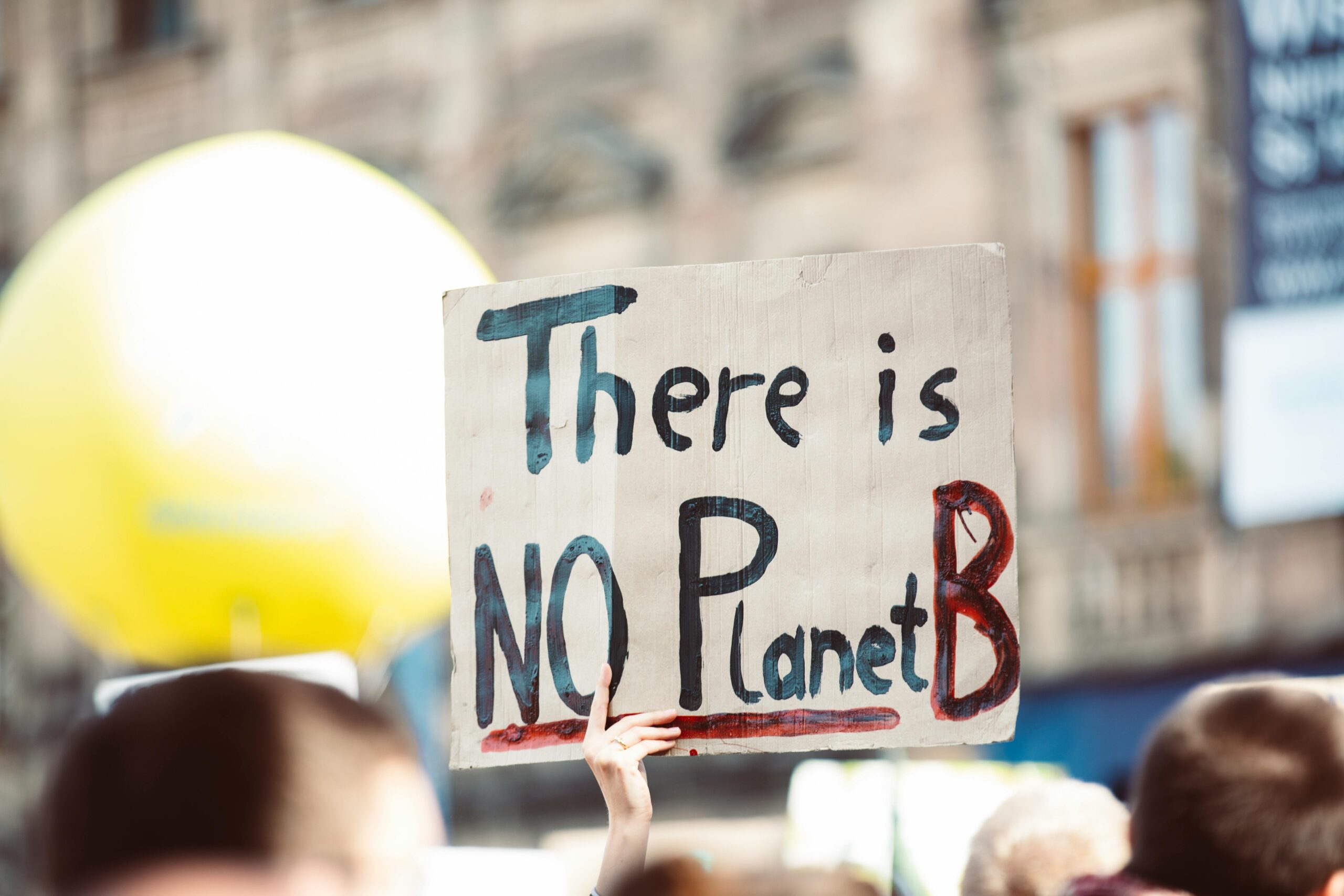
- Climate change brings financial challenges that directly affect agricultural operations within Virginia.
- The economy of Virginia relies on tourism, which will suffer threats from climate change.
The Impact of Climate Change on Virginia’s Economy
Now more than ever, the state of Virginia needs immediate action and response to the disruptive climate impact.
1. Agriculture and Fisheries
Climate change causes considerable economic challenges to Virginia’s agricultural sector. The global warming effect on temperatures, combined with unsteady precipitation levels, creates obstacles to farming production. Also, farms lose monetary value when storms, hurricanes and droughts inflict damages. The seafood industry suffer severe challenges within the Chesapeake Bay region. Fish, oysters and crabs, struggle in warmer waters. Not to mention, acid stress leads to impaired fishing income potential.
2. Coastal Infrastructure and Property Damage
The coastal communities of Norfolk and Virginia Beach, as wekk as other parts of Virginia, experience severe threats from both increasing sea levels and persistent flooding events. The combination of threats affects both residential homes. Likewise, it raises the costs to maintain and fix infrastructures such as roads, bridges, and public utility systems. Higher insurance premiums combined with property devaluation and economic struggle in local communities is cuased by the increased number of hurricanes and storms. According to expert evaluations, billions of dollars are required to carry out flood prevention and mitigation procedures.
3. Tourism and Outdoor Recreation
Virginia’s economy rely on tourism, yet the sector suffer risks from climate change. Climate change endangers the natural environment of major tourism destinations throughout Virginia, including historic Williamsburg, the Blue Ridge Mountains, and Virginia’s coastal beach regions. The environmental effects of warmer temperatures and stronger storms could diminish the scenic attractions of the state. This compromises the amount tourists spend in the state. Also, the western parts of Virginia face seasonal reduction because of lower snow amounts that affect tourism activities at ski resorts.
4. Public Health and Workforce Productivity
Heat stress patterns combined with air pollution causes more heat-related conditions. There are also cases of respiratory illnesses and Lyme disease transmission through vectors. The healthcare system of Virginia faces greater health challenges because of these issues, which reduce both medical system productivity and the capability of workers to operate effectively. The excessive heat levels results in efficiency hazards for outdoor workers, especially in construction and agriculture.
Conclusion
The state of Virginia faces substantial economic dangers from global climate change. The detrimental effects can be felt in vital infrastructure systems. Virginia must invest both in renewable energy development and coastal resilience projects. This will minimise risks while developing protective policy mandates that will stabilize Maryland’s economic standing. The state of Virginia needs immediate action to reduce the increasing financial impacts that climate change brings to the state.
If you like this post and you have something to say or some questions, feel free to leave a comment below.